Author:

Sarah Lyne
Managing Director and Principal Ecologist
Preliminary Ecological Appraisals (PEA) often act as the first rung on the survey ladder. As an initial scoping survey, a PEA can be commissioned throughout the year to commence the surveying and planning process.
However, that doesn’t mean seasonality isn’t important. In fact, the time of year influences what information an ecologist can gather about your proposed development site and planning for subsequent surveys.
In this guide, we explain exactly when PEAs can be carried out, how seasonality can affect survey findings and what you must keep in mind to avoid delays later in the planning process.
Read our guide to what a Preliminary Ecological Appraisal is here.
Can a PEA be carried out year-round?
The short answer is yes. PEAs, also known as Phase 1 Surveys, are amongst the few ecological surveys which can be commissioned year-round. This is because they are initial assessments designed to identify protected habitats and the potential need for further species survey work (Phase 2 surveys), involving desk study as well as field study and reporting.
However, ecological seasonality may still need to be considered. For example, PEAs may be engaged during the autumn and winter months to help stakeholders understand ecological risks before spring and summer survey windows begin. In these cases, the earlier you can commission a PEA in the early project phases, the more time you have to schedule follow-up surveys and adjust designs accordingly for planning success.
We explore this in more detail below.
When might seasonality influence a PEA?
- Wildlife behaviour varies throughout the year, meaning some species are only active or detectable during specific seasons.
- Some habitats are easier to assess during the growing season, when plants are flowering, and ecologists can identify vegetation with more certainty.
- Both of these factors may influence survey recommendations if there is insufficient evidence to fully assess a habitat or species during the PEA.

What can a PEA identify during the off-season?
A Preliminary Ecological Appraisal carried out during the late autumn and winter (October to March) would typically be identified as a sub-optimal PEA. Nevertheless, an assessment during these months can identify information such as:
- Habitat types and ecological features such as grassland, scrub, woodland, waterbodies, hedgerows and boundary features.
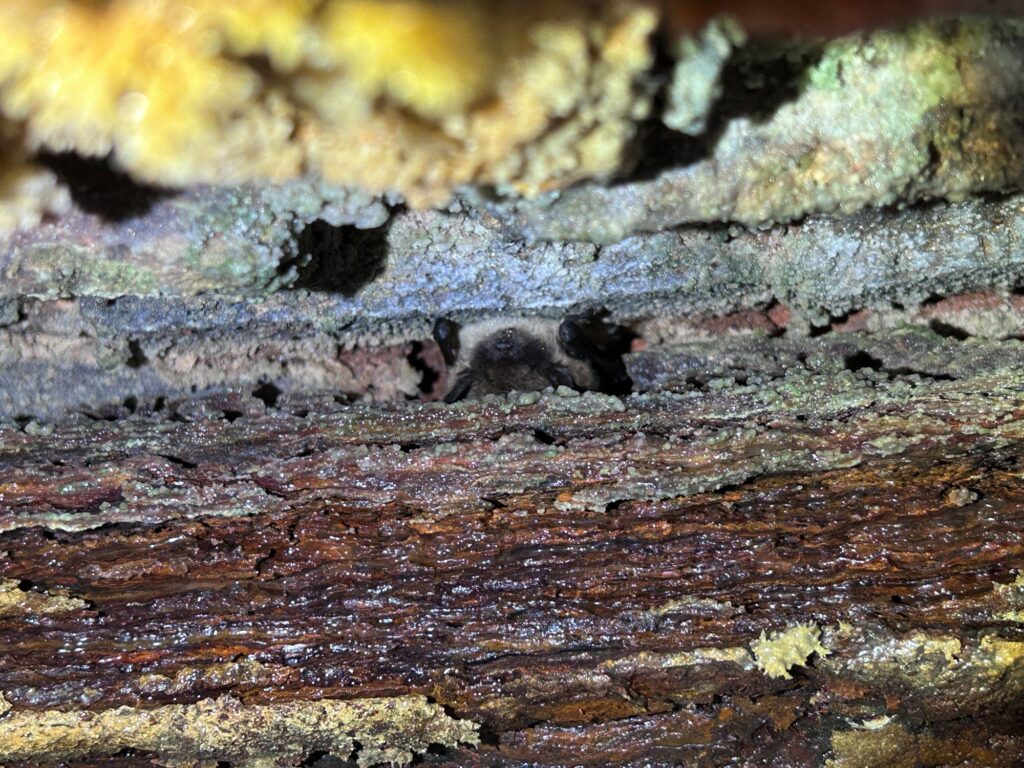
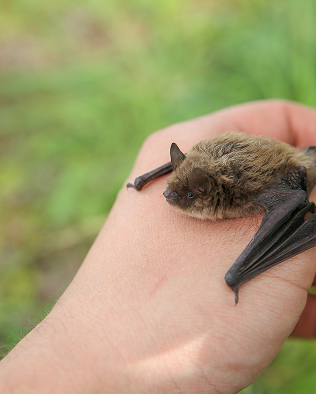
- Bat roost potential within buildings, structures and trees.
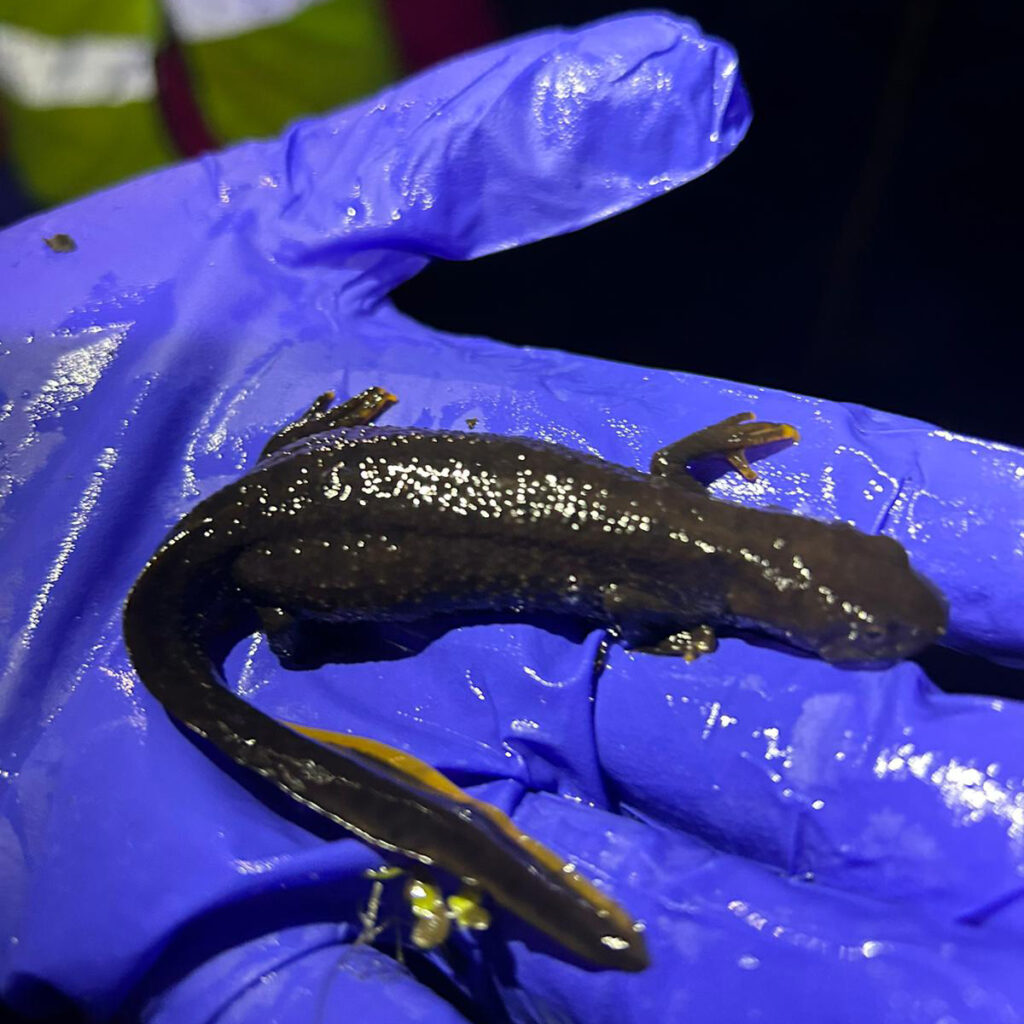
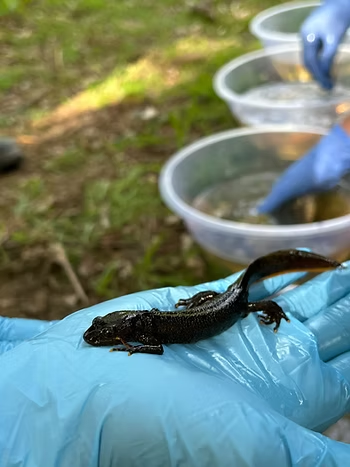
- Great crested newt habitat suitability, including ponds and surrounding terrestrial habitat.
- Evidence of badger activity, such as setts, paths and foraging signs.
- Ecological constraints that could affect development proposals, helping to inform planning and project design.
What are the limitations of a PEA in the off-season?
While winter PEAs can provide a robust understanding of many ecological constraints, there are some limitations to consider. Working with experienced ecologists will help you manage and plan around these limitations.
During the off-season:
- There may be lower visibility for certain plant species or habitats.
- Grassland classification may be less precise.
- Certain Phase 2 species surveys cannot be surveyed directly, but must be planned for the appropriate season.
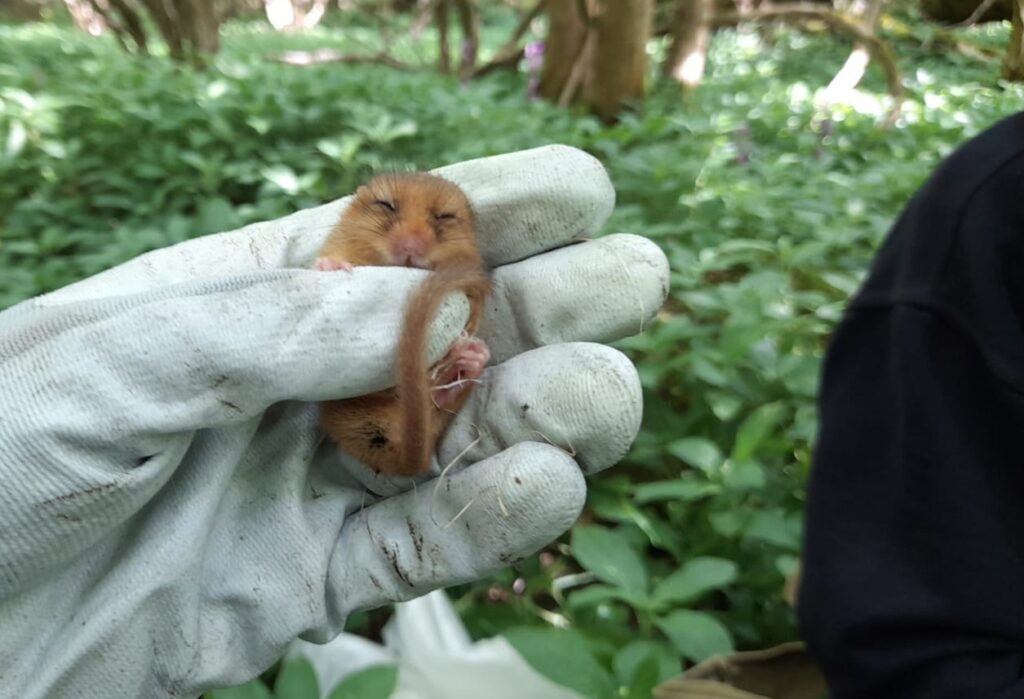
Examples of surveys that may still be required include botanical surveys (such as National Vegetation Classification), reptile surveys, great crested newt surveys, and dormouse surveys.
Our expert ecologist tips for PEA seasonality
The best time to commission your Preliminary Ecological Appraisal is as early as possible in the project timeline. This is because a PEA will provide the most value when it can inform decisions before key design, planning, or construction milestones have been reached.
Our recommendations are to complete a PEA:
- Before submitting any planning applications
- Before finalising site layouts
- Before beginning construction works
- In advance of the optimal ecological survey season, which is typically from April to September
Ultimately, early ecological advice in the form of a Preliminary Ecological Assessment will give you time to plan, adapt, and mitigate, as well as schedule necessary follow-up surveys.
Timely & efficient Preliminary Ecological Appraisals
While a Preliminary Ecological Appraisal can usually be carried out at any point in the year, the findings may vary depending on the season and will affect the timing of follow-up ecological surveys.
The best way to understand your site’s constraints and identify the appropriate next steps is to work alongside organised, experienced ecologists. To discuss your site and requirements with our team, contact us today, and we’ll be in touch to get started.