
Water Vole & Otter Surveys
Detailed water vole and otter survey reporting by experienced ecologists.
Water vole and otter surveys help establish how these protected species might be using watercourses and nearby land on development sites. Get clear evidence to support your planning applications and understand ecological responsibilities.
What are water vole & otter surveys?
Water vole and otter surveys are ecological assessments which identify the presence or absence, activity and habitat use of these protected species along rivers, streams, ditches and other wetland environments.
Protected by laws including the Conservation of Habitats and Species Regulations 2017 (as amended) and the Wildlife and Countryside Act 1981 (as amended), both species are closely associated with watercourses and can be affected by works to banks, channels or nearby land.
Survey techniques involve desk surveys as well as detailed walkover assessments to record field signs, habitat suitability and potential impacts of proposed works.
By providing comprehensive evidence and reporting, a water vole and otter survey by aLyne Ecology will ensure your planning application is submitted with a clear understanding of how works might affect these protected species.
Water vole & otter surveys we offer
- Preliminary Water Vole & Otter Surveys
Preliminary Water Vole & Otter Surveys
In a nutshell
- Seasonality: April to October
- Survey type: Desk study, field survey
- Report lead time: 2 weeks (from survey completion)
- Report validity: 12-18 months
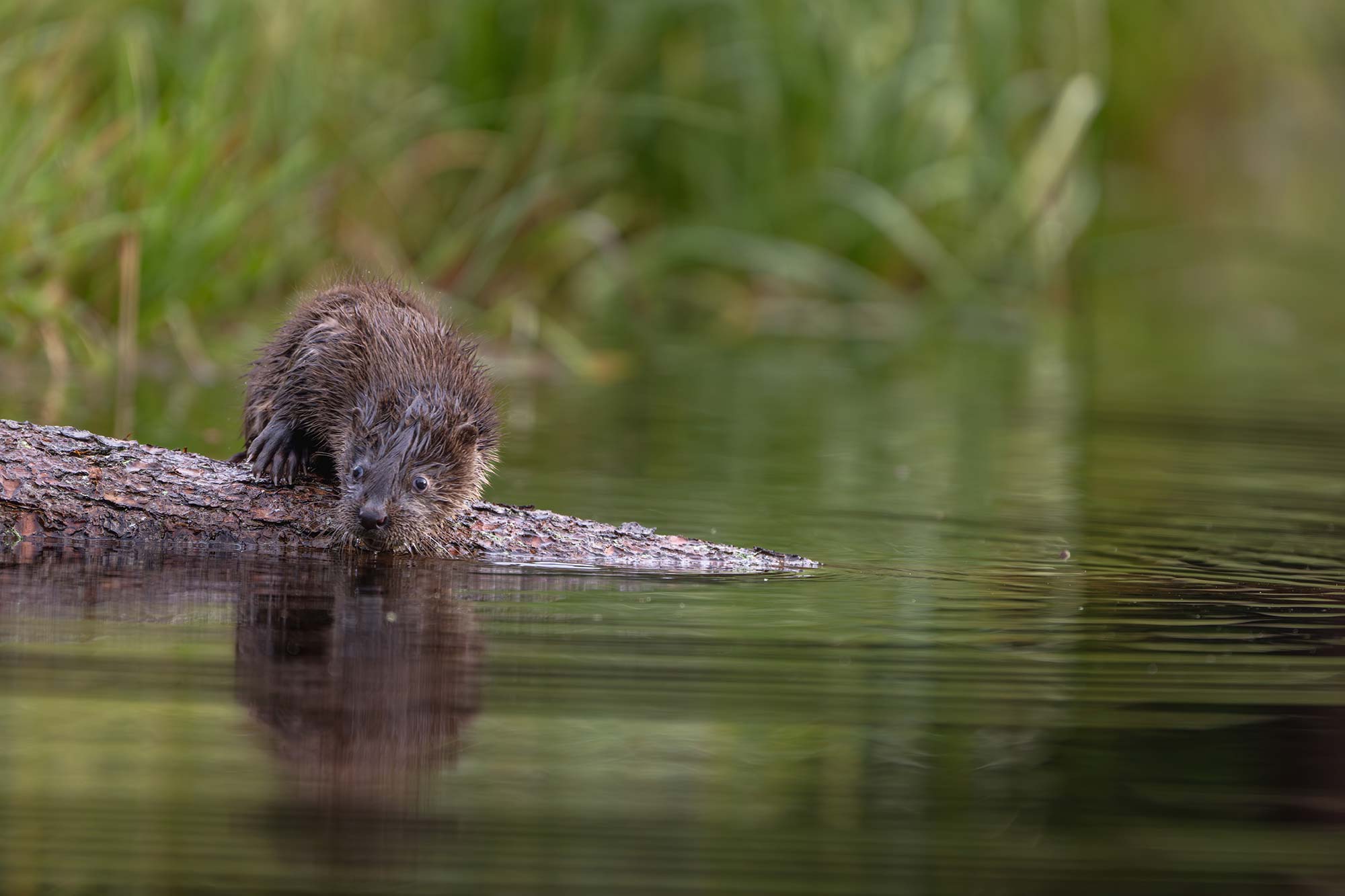
About Preliminary Water Vole & Otter Surveys
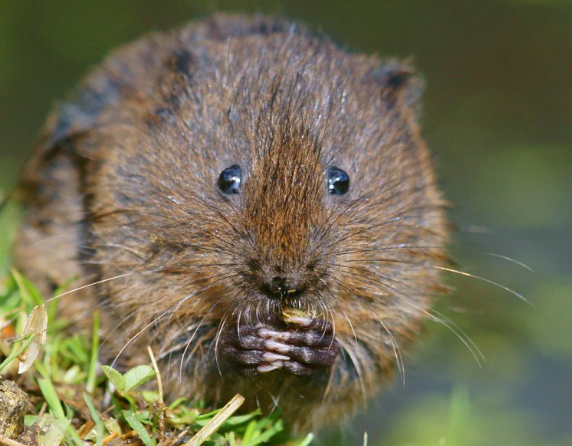
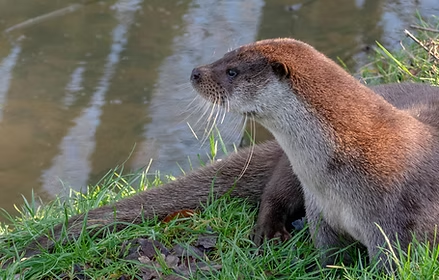
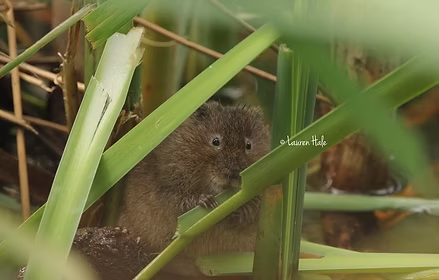
Preliminary Water Vole & Otter Surveys provide an initial assessment of whether water voles (Arvicola amphibius) or otters (Lutra lutra) are present on a site and how they may be using a watercourse affected by proposed development works.
Surveys are conducted by suitably qualified and experienced ecologists. The methodology includes a desk study alongside detailed field checks of the watercourse and banks, typically extending at least 10m from the bank and covering sections up to 50m upstream and downstream of the site.
Ecologists look for field signs such as latrines, footprints, feeding remains, burrows, resting places and otter holts. The findings help establish the likely presence or absence of the protected species and inform planning applications, including whether further mitigation is required.
Project outcomes
A Preliminary Water Vole & Otter Survey will typically result in one of the following outcomes:
(Please note: Any additional work required after the initial survey would be scoped and quoted separately, and discussed with you before proceeding.)

No evidence of water voles or otters is recorded within the surveyed section of the watercourse, suggesting that works can proceed as proposed (dependent on planning approval).
Evidence of water voles or otters is identified, informing planning applications and, where necessary, leading to recommendations for further surveying (such as the use of mammal cameras) or the development of mitigation requirements.
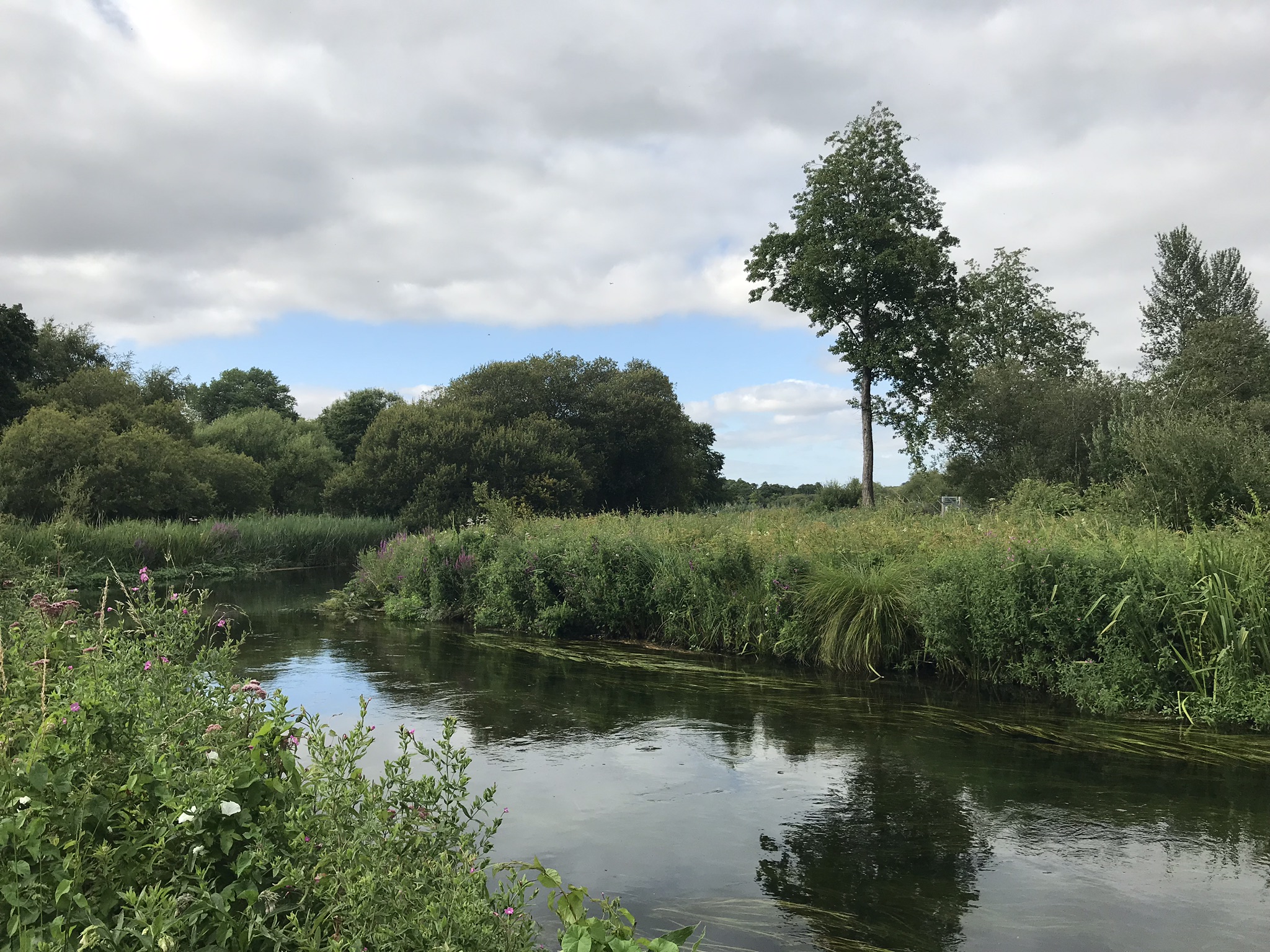
When is a water vole & otter survey required?
A water vole or otter survey is usually required where proposed works could affect a watercourse or the habitats these species rely on.
Surveys provide early clarity on ecological risk and help ensure a project is planned and delivered in line with legal and planning requirements. Common examples include:
- A Preliminary Ecological Appraisal (PEA) identifies potential for water vole or otter activity along or near your site.
- Works are planned within, beside or crossing rivers, streams, ditches or canals.
- Proposals involve bank works, culverting, outfalls, diversions or vegetation clearance.
- Construction activity could alter watercourse structure, flow or connectivity.
- Survey evidence is requested by the local planning authority to inform planning decisions.
When can water vole & otter surveys be performed?
Water vole and otter surveys are typically undertaken from April to October, when field signs are most visible, and surveys can be carried out reliably.
Optimal Survey Season
Sub-Optimal Survey Season
Survey Not Possible
Water Voles & Otters
| Jan | Feb | Mar | Apr | May | Jun | Jul | Aug | Sep | Oct | Nov | Dec |
|---|---|---|---|---|---|---|---|---|---|---|---|
Our water vole & otter survey process
We approach all water vole and otter surveys with care and professional judgement, ensuring diligent attention to every detail. Each stage of the process is designed to provide clear evidence and support responsible planning and decision-making.

01
Contact us for a quote
Get in touch with our friendly team to discuss your survey requirements and find out more about how we can help. We’ll aim to respond to you with the requested quote in 24 hours.

02
Preliminary surveys
We’ll gather existing evidence through a desk study and conduct a detailed walkover survey of the watercourse and banks to record signs of water vole or otter activity.

03
Assessment & reporting
Survey results will be evaluated, and clear, proportionate reporting will be provided to support planning applications. All reporting will be written to the latest CIEEM guidelines.

04
Recommendations & next steps
Depending on the outcome of your report, further survey or species mitigation recommendations may be required. If necessary, these can be quoted and conducted accordingly by our team.
01
Contact us for a quote
Get in touch with our friendly team to discuss your survey requirements and find out more about how we can help. We’ll aim to respond to you with the requested quote in 24 hours.
02
Preliminary surveys
We’ll gather existing evidence through a desk study and conduct a detailed walkover survey of the watercourse and banks to record signs of water vole or otter activity.
03
Assessment & reporting
Survey results will be evaluated, and clear, proportionate reporting will be provided to support planning applications. All reporting will be written to the latest CIEEM guidelines.
04
Recommendations & next steps
Depending on the outcome of your report, further survey or species mitigation recommendations may be required. If necessary, these can be quoted and conducted accordingly by our team.
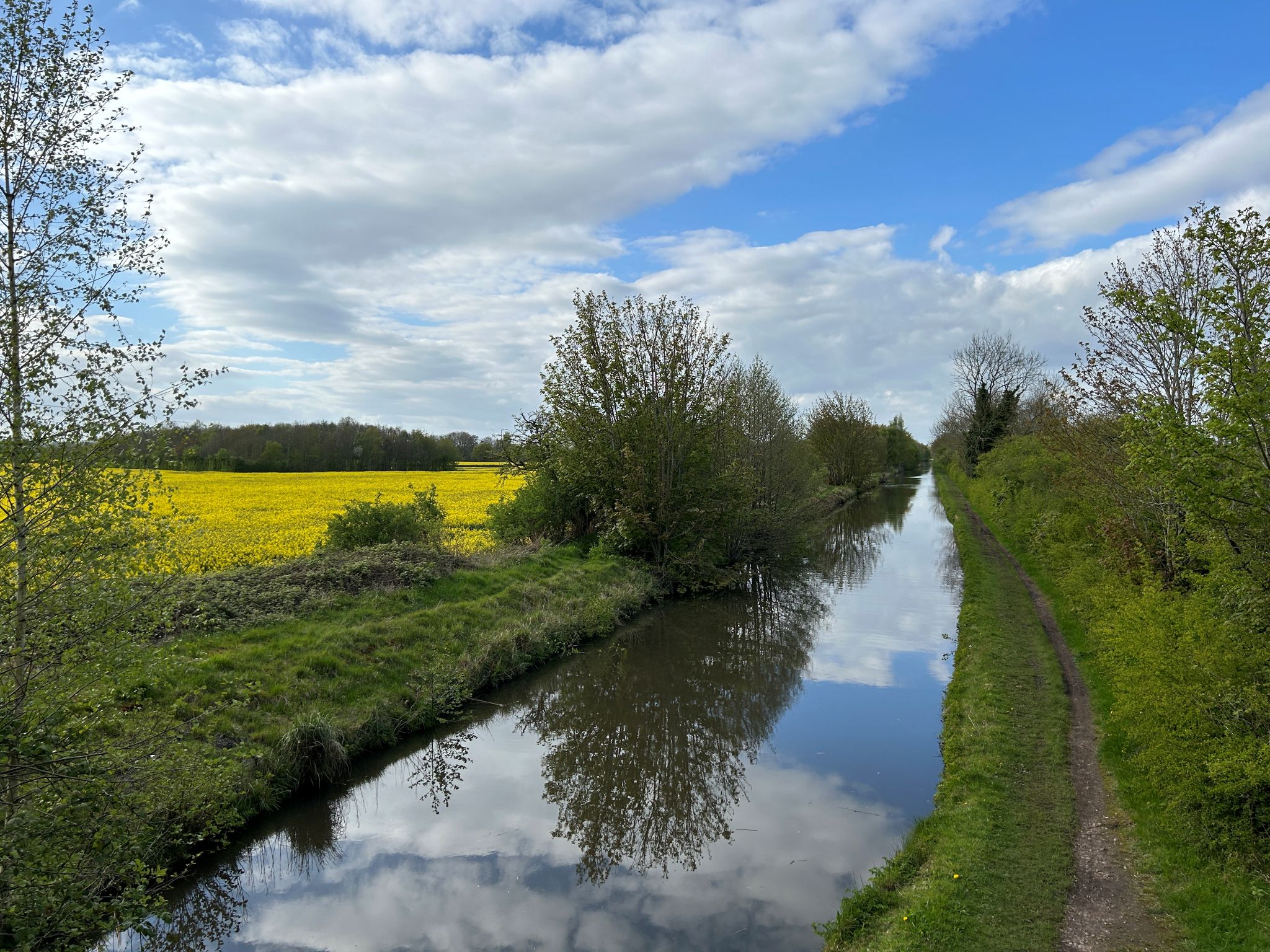
Project outcomes for water vole & otter surveys
Water vole and otter surveys provide the evidence needed to understand how these protected species use a watercourse and how proposed works may affect them. Project outcomes may include:
- Confirmation that water voles and otters are not present and that mitigation measures are not required.
- Identification of water vole or otter activity, suggesting the need for appropriate avoidance measures or design changes.
- Requirement for the scoping of further survey or monitoring, if additional information is needed to assess potential impacts.
- Clear, planning-ready reporting, suitable for submission to local planning authorities.
Please note: Any additional work required after the initial survey would be scoped and quoted accordingly, and discussed with you before proceeding.
Get a water vole & otter survey quote
If your proposed development works may affect watercourse habitats used by these protected species, early ecological clarity is essential.
Get in touch to discuss your proposals in more detail with our experienced team of ecologists and receive clear, detailed advice that supports planning applications and further recommendations.
Contact details
info@alyneecology.co.ukGet a water vole & otter survey quote
If your proposed development works may affect watercourse habitats used by these protected species, early ecological clarity is essential.
Get in touch to discuss your proposals in more detail with our experienced team of ecologists and receive clear, detailed advice that supports planning applications and further recommendations.