Author:

Sarah Lyne
Managing Director and Principal Ecologist
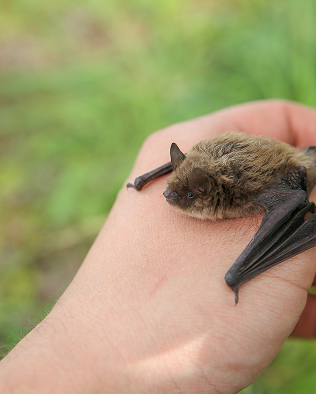
Bat surveys are among the most common assessments we undertake here at aLyne Ecology. All 18 species of bat are protected in the UK under the Conservation of Habitats and Species Regulations 2017 (as amended), and seasonality plays an important role in determining when different surveys can be carried out.
In this guide, we explain exactly why that is and the survey windows to be aware of when planning a project. Whether you’re a developer, architect or homeowner, these guidelines will help keep you moving forward, efficiently and responsibly.
What affects bat survey seasonality?
Bat surveys are seasonal because, like many other species, bat behaviour changes throughout the year. In order to understand their presence or absence on a proposed development site, ecologists carry out seasonal surveys when the relevant activity can be reliably observed.
Bat survey season is influenced by different behaviours, such as:
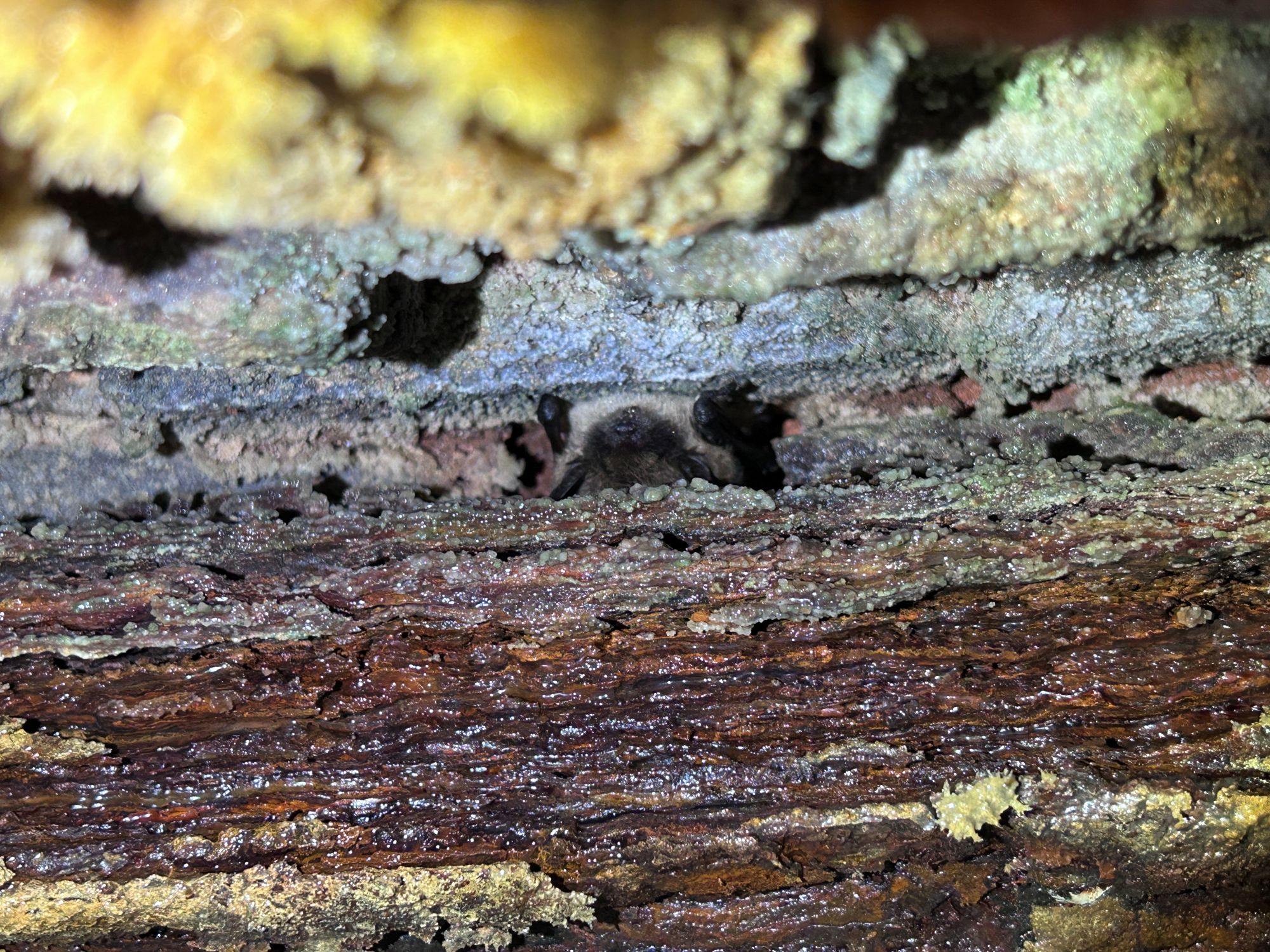
- Hibernation (December to February): During this time, bats become much less active and spend extended periods in hibernation roosts.
- Spring emergence (March to April): As the weather warms and food sources (mostly insects) become more available, bats begin to leave hibernation sites and increase their activity.
- Breeding season (May to August): Female bats start to form maternity colonies and raise their young, and mating season begins in September.
- Foraging and commuting (spring to autumn): During this window, bats regularly leave their roosts to feed and move through the landscape.
Important to remember: Bat survey windows are based on bat ecology, not planning requirements. They’re timed to coincide with periods when bats can be reliably detected, making it vital to plan in advance to keep your project on track.
Which bat surveys can be carried out year-round?
Some key bat surveys are able to be carried out year-round or for a large portion of the year. By engaging these surveys in a timely way, much of the initial work can be set in motion before the main survey season begins.
Preliminary Roost Assessments (PRAs)
A PRA is usually the first step in understanding whether bat populations could affect your proposed development site. Because the aim is to assess roosting potential, rather than bat activity itself, these surveys can typically be carried out at any point in the year.
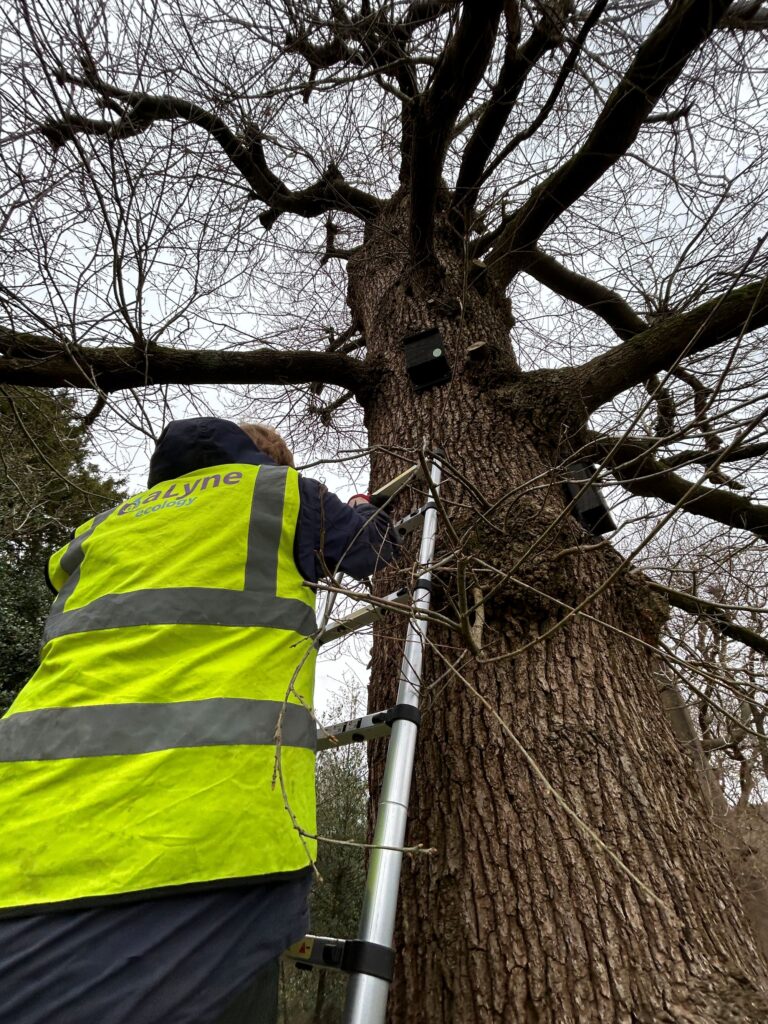
Ground Level Tree Assessments (GLTAs)
Like PRAs, GLTAs can be undertaken year-round and are often used to identify whether further bat surveys may be required before tree works or development can proceed. The optimal season is December to April.
Which bat surveys are restricted by seasonality?
Beyond initial roosting assessment, further bat surveys are constrained by seasonal windows. This is because they aim to identify what species are present, how a site is being used and what impacts this could have on development, rather than simply identifying if there is a likely presence.
Bat Emergence Surveys
Dusk Emergence surveys identify whether, and when, bats are emerging from a building, structure or tree to forage, and when they return. Both are restricted by time of day as well as time of year, being carried out from May to September, after sunset and before sunrise respectively.
Bat Activity Surveys
Bat activity surveys assess how bats use the wider landscape for commuting and foraging and are carried out during the active season from April to October.
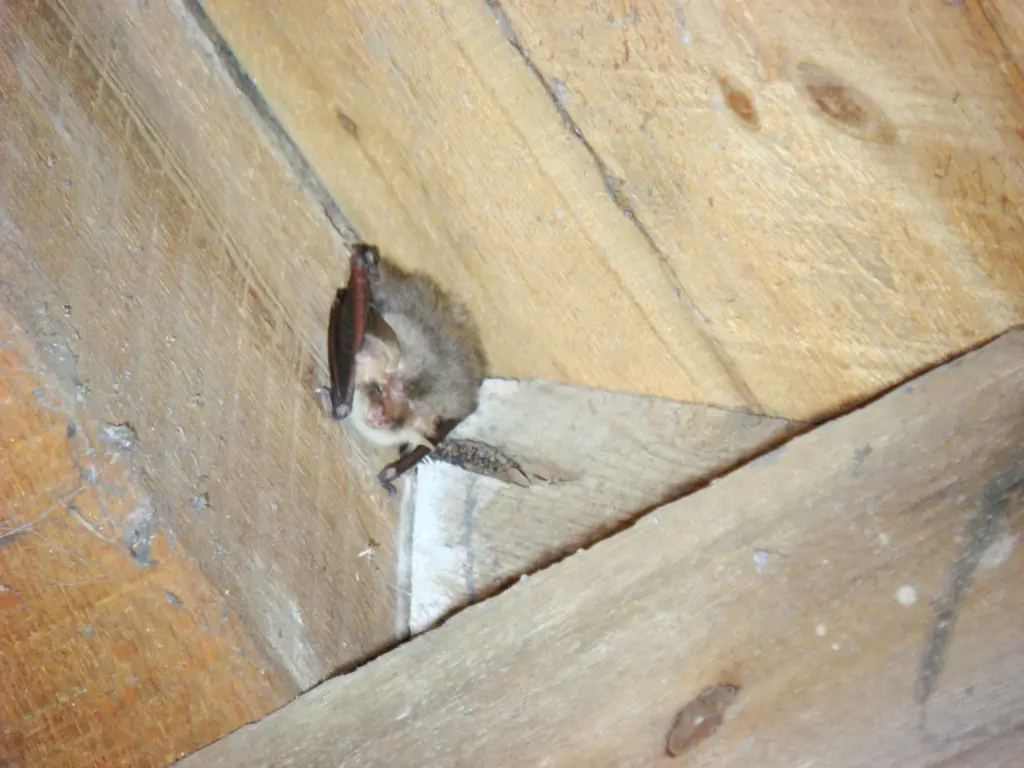
Bat Hibernation Surveys
Hibernation surveys assess whether a building or structure is in use for bat hibernation and, as such, are carried out over the winter months (December to February).
How to plan around bat survey season
Once you’ve understood when bat surveys can be carried out, the key is building assessments into your project programme to keep it moving forward without delays. The earlier the ecological requirements are identified, the more flexibility you’ll have when submitting applications and scheduling works.
Our ecologists recommend:
- Commission a Preliminary Roost Assessment (PRA) or Ground Level Tree Assessment (GLTA) as early as possible in the planning process to determine likely bat presence. This will give you a timely overview of further surveys required.
- Understand your survey requirements before finalising designs, allowing ecological constraints to be considered from the outset.
- Allow flexibility for circumstances out of your and your ecologist team’s control, such as weather conditions that prevent surveys from being carried out.
We’ll help you understand your bat survey requirements
Every site is different, and our team offers a tailored and friendly approach to every project we work on. With timely ecological advice from experienced ecologists, you can keep your schedule moving without unnecessary delays.
We’re on hand to help you understand what’s possible and how to get ahead of planning approvals before it’s too late. Get in touch today for a conversation about what bat surveys you might need and a bespoke, no-obligation quote.