Author:

Sarah Lyne
Managing Director
What is an Ecology Survey Calendar?
This Survey Calendar is your guide to when surveys can be carried out throughout the year. Ecological surveys are used to identify habitats, protected species and potential negative impacts on a development site, helping inform planning applications and design.
Survey timing is important as many surveys rely on seasonal factors, such as species activity, breeding behaviour or vegetation growth. This means that as ecological specialists, we’re restricted to certain survey seasons depending on the species and the type of survey being carried out.
Missing these windows can mean delays to project timelines.
A survey timetable like this brings this information together in one place, so you can understand exactly what can be surveyed and when, planning ahead for a smooth applications and approval process.
Key survey seasons explained
Below is an overview of the key survey windows and seasonal considerations for UK ecology:
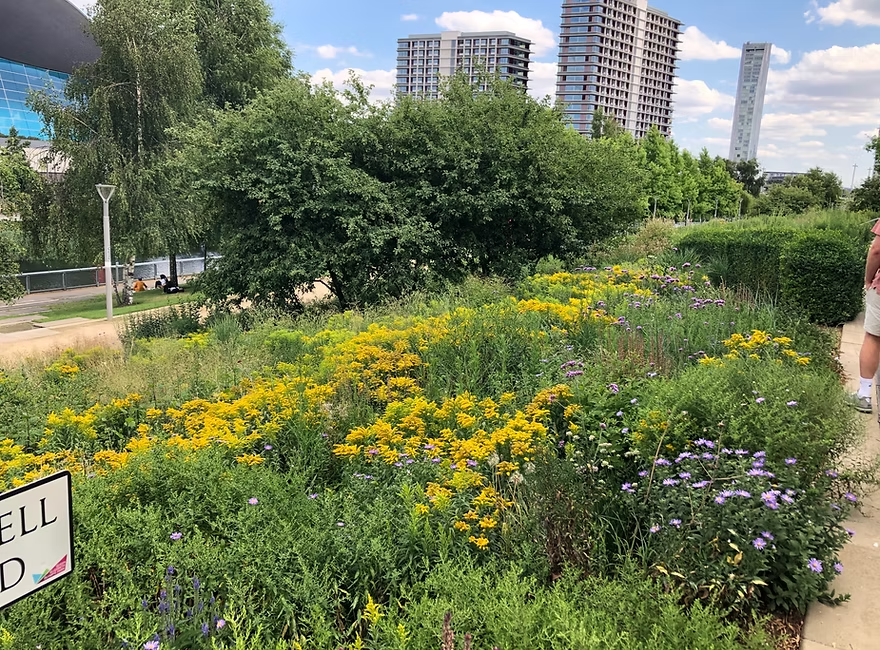
Preliminary Ecological Appraisal (PEA)
- Year-round, April to September optimal
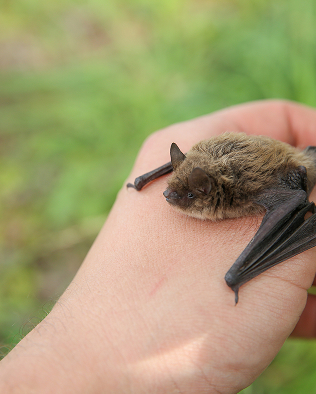
Bat Surveys
- Preliminary Roost Assessment (PRA): Year-round
- Ground Level Tree Assessment (GLTA): Year-round, winter optimal
- Dusk Emergence Surveys: May to September
- Bat Activity Surveys: April to October
- Hibernation Surveys: December to March

Reptiles
- Reptile Presence/Absence Surveys: April, May and September
- Reptile Translocation: April through to September
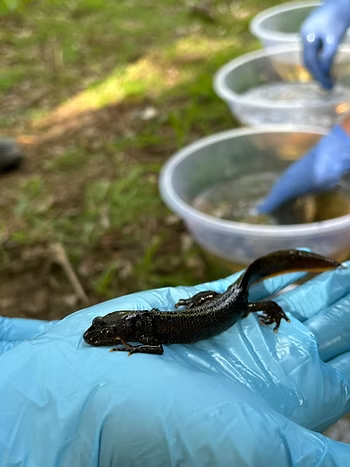
Great Crested Newts
- eDNA Surveys: Mid-April to June
- Population Surveys: Mid-March to Mid-June
Badgers
- Preliminary Badger Surveys: Year-round, February and March optimal
- Badger Monitoring: February to April
Hazel Dormice
- Nut Search: Year-round, Mid-August to December optimal
- Nest Tube Surveys: April to November
Birds
- Nesting Bird Checks: March to August
- Breeding Bird Surveys: March to early July
- Wintering Bird Surveys: September to March

Water Voles and Otters
- March to May, September to November
National Vegetation Classification (NVC)
- June to July
Biodiversity Net Gain/Habitat Condition Assessment
- April to September
Using the Ecology Survey Calendar in project planning
One of the most common causes of delay in development projects is leaving ecological considerations too late.
Using this calendar early in project planning helps avoid this issue, allowing you and your team to identify which surveys may be required, when they can be undertaken and how they fit with your overall programme.
Remember, not all surveys will be required for every site. Most projects start with a Preliminary Ecological Appraisal to provide initial guidance on the potential habitats, protected species and ecosystems which could be impacted by your development works. From here, future survey work can be specified as required.
You can work alongside ecological specialists like aLyne Ecology to get a clearer understanding of your requirements. By engaging an ecologist early and building survey timing into your project timeline, you’ll be able to align ecological work with planning submissions, reduce the risk of delays and ensure your development progresses as smoothly as possible.

Understand your ecological survey requirements today
A clear idea of the ecological surveys you require, and their seasons, can make a huge difference to how your project and planning applications progress.
If you’re unsure which surveys apply to your site or would like more information about our ecological consultancy services, we’re here to help you plan without unnecessary delays.
Whether you are at an early feasibility stage or preparing a planning application, the right advice from a team that cares about both your success and responsible ecological outcomes is indispensable.
Discuss your site with us today and get a clear, upfront quote for the ecology survey work you require.