Author:

Sarah Lyne
Managing Director and Principal Ecologist
It’s a common assumption that ecological work comes to a halt during the winter months. While it’s true that some species surveys are restricted to specific seasonal windows, this doesn’t mean that our ecologists are sat twiddling their thumbs once autumn ends…
In fact, we can still support your project with a number of ecological surveys and planning activities. Early-stage surveys, some habitat assessments and desk-based ecological work are often well-suited to this time of year.
We’ve put this guide together to explain which ecological surveys and assessments can still be undertaken during winter, and how taking action during this period can help keep development projects moving while preparing for the busier spring and summer survey windows.
What role does seasonality play in ecology?
Ecological surveys are closely tied to the natural rhythms of plant and animal species. Many change their behaviour throughout the year, responding to shifting temperatures, daylight and food availability.
As a result, ecological surveys often need to be carried out at the specific times of year when plants or animals are most visible or active. For example, some surveys depend on breeding activity, such as birds establishing territories or bats emerging from roosts, or on the presence of flowering plants to accurately identify habitat types.
Because of these natural cycles, certain surveys are undertaken during defined seasonal windows to produce reliable results. But while some species surveys are restricted in this way, ecology work certainly doesn’t stop entirely during winter. A number of assessments and planning activities can still be carried out during this time, meaning projects can continue to progress even outside the main survey season.

Ecological work & surveys possible in winter
In many cases, winter is an ideal time to identify ecological constraints, gather baseline information and prepare projects for the main survey season.
Below are some of the key ecological surveys and activities that can often take place in winter.
Preliminary Ecological Appraisals (PEAs)
Preliminary Ecological Appraisals (PEAs), sometimes referred to as Phase 1 habitat surveys, are often the first step in understanding the ecological baseline of a development site. These surveys involve a walkover assessment, as well as desk-based study, to identify habitats present, assess their condition and highlight potential constraints such as protected species or designated sites.
While vegetation can be easier to identify during the growing season, and the optimal season is April to September, PEAs can still be carried out during winter in many situations. They provide early insight into the ecological picture and set the stage for further species surveys in peak months.
Preliminary Roost Assessments (PRAs) & Ground Level Tree Assessments (GLTAs)
Preliminary Roost Assessments (PRAs) and Ground Level Tree Assessments (GLTAs) can be conducted at any time of the year, including during winter. In fact, winter is the optimal season for GLTAs.
During these surveys, a suitably qualified ecologist will inspect buildings, trees and other structures for features that could support roosting bats, such as cracks, cavities, lifted tiles or woodpecker holes.
Although Bat Activity Surveys must be completed during the active bat season, PRAs and GLTAs can identify whether suitable roosting features are present and whether further surveys will be required later in the year.

Habitat Regulations Assessments (HRAs)
Habitat Regulations Assessments are largely desk-based assessments that determine whether a development could have an impact on nearby European designated sites such as Special Areas of Conservation (SACs) or Special Protection Areas (SPAs).
Because these assessments rely primarily on site information, ecological data and policy guidance, rather than seasonal wildlife activity, they can usually be carried out at any time of year.
Ecological Impact Assessments (EcIAs)
Ecological Impact Assessments (EcIAs) evaluate how a proposed development may affect habitats, species and designated sites. To do this, ecologists bring together ecological survey data, site context and development proposals to assess potential impacts and identify proportionate mitigation measures.
These reports can often be prepared during the winter months, ensuring the ecological elements of a planning application are in place and ready for submission.
Biodiversity Net Gain (BNG) Assessments
Biodiversity Net Gain (BNG) Assessments calculate how development proposals will affect the ecological value of a site and demonstrate how a minimum 10% improvement in biodiversity will be achieved.
While the associated habitat surveys are sometimes easier to complete during the growing season, many elements of the BNG process, such as design advice and preparation of Biodiversity Gain Plans, can be progressed during winter. What’s more, starting early can help to avoid delays later in the planning process.

Ecological & Environmental Management Plans (LEMPs & CEMPs)
Landscape and Ecological Management Plans (LEMPs) and Construction Environmental Management Plans (CEMPs) establish how ecological mitigation and habitat management will be delivered during and after development.
These documents translate ecological recommendations into clear instructions for construction teams and long-term site management. Because they’re mainly document-based and guided by existing information, LEMPs and CEMPs can usually be prepared during winter.
Ecological Clerk of Works (ECoW) Supervision
Ecological Clerk of Works (ECoW) supervision is often required during construction activities that could affect habitats or protected species. This may include vegetation clearance, groundworks or destructive searches.
Because ECoW work is linked to the construction programme rather than a specific survey season, supervision can take place throughout the year when required to ensure ecological mitigation measures are implemented correctly.
European Protected Species Licences (EPSLs)
EPSLs are required for many protected species whose presence has been recorded on a development site. They can be prepared over the quieter winter period, although implementation is best carried out from September to October and April to May.
Winter species surveys
There are a select few species surveys which can be carried out during the winter months. In certain cases, winter conditions can even make field signs easier to detect, using signals such as feeding remains, tracks or setts.
The following species surveys can often be undertaken during the winter months, depending on site conditions and weather:
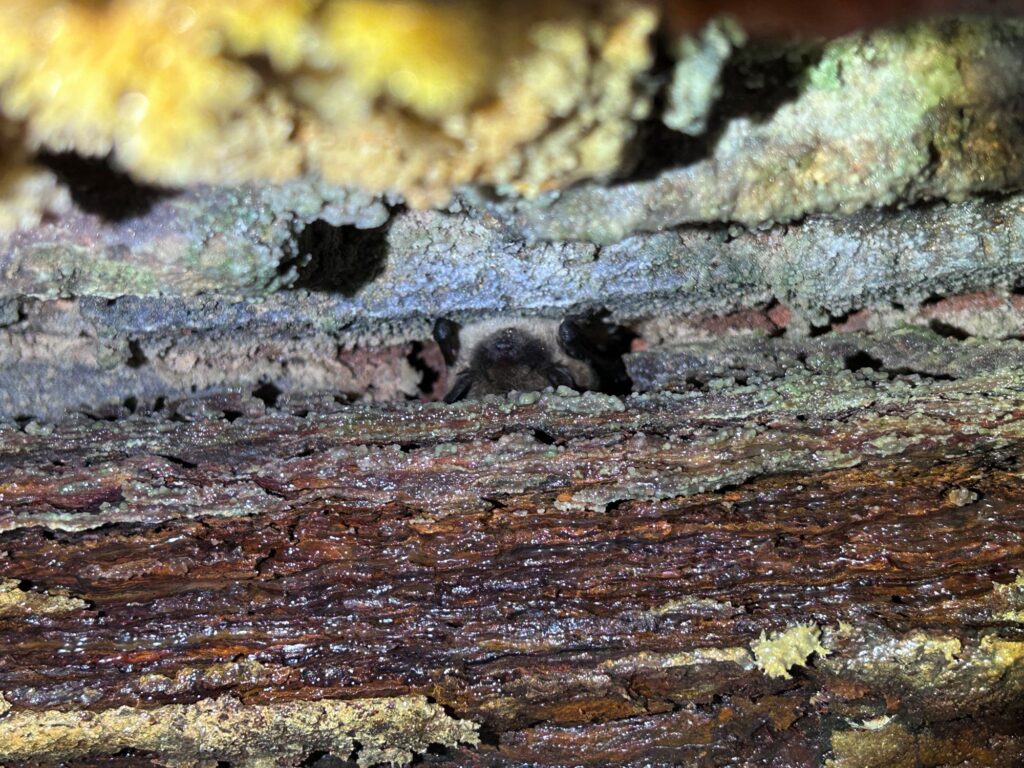
- Bat Winter Hibernation Surveys: Most Bat Activity Surveys must be carried out between spring and early autumn; however, we can undertake Bat Hibernation Surveys during winter to determine their presence during this season. Usually carried out between December and February, these surveys involve inspecting buildings, structures or underground features for hibernating bats and evidence such as droppings or feeding remains.
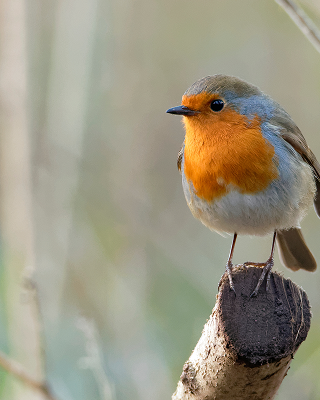
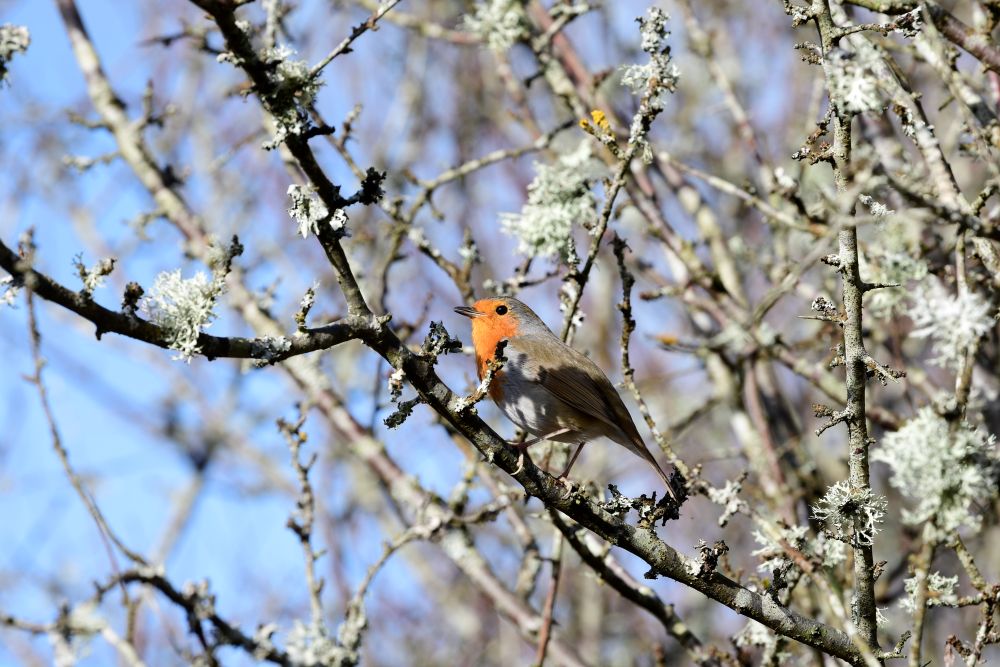
- Wintering Bird Surveys: While many bird surveys focus on breeding behaviour in spring and summer, Wintering Bird Surveys are specifically designed to assess bird populations during the colder months. These surveys identify species that rely on sites for feeding, roosting or shelter during winter.
- Badger Surveys: Badger surveys can be undertaken throughout the year because badgers remain active in winter. Ecologists look for field signs such as setts, tracks, latrines, fur and well-used paths. Lower vegetation in late winter can even sometimes make field signs easier to spot.
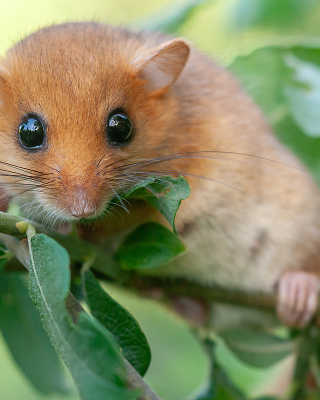
- Hazel Dormouse Nut Searches: Nut searches can be carried out at any time of year, though between mid-August and December is optimal. The distinctive feeding remains of the hazel dormouse can help ecologists identify their potential presence, determining the need for further surveys.

Early ecological planning & advice keeps projects moving
Many planning delays occur not because of ecology itself, but because it’s considered too late in the process. Engaging an ecologist early helps identify the surveys you may require, when they need to be carried out and how they could influence your project timeline.
In winter, rather than thinking you’ve missed the boat, your project can get ahead by:
- Identifying survey requirements to consider and their seasonal constraints through a PEA.
- Engaging ecological teams ahead of time to avoid missing key survey windows.
- Informing site design at an early stage, helping to ensure important habitats are retained and that mitigation measures can be put in place.
- Streamlining planning applications with clear, coordinated ecological information ready for submission.
Winter is an ideal time to review your site and plan ahead. Using our seasonal survey calendar, any ecological requirements can be mapped out in advance, ensuring that spring and summer surveys are scheduled in good time and your projects can progress without unnecessary delays.
Considered, careful ecological advice from aLyne Ecology
Although many ecological surveys are limited to the spring and summer, that doesn’t mean there’s nothing to be gained in the winter months. In fact, now is a good time to assess ecological requirements and plan the next stages of your project, so you’re prepared when the main survey season arrives.
If you’re planning a development and need ecological support over the winter months, our team of experts are happy to help. Get in touch to discuss your site and what we can do for your project.