
Reptile Surveys
Understand and mitigate risks to reptiles in your development.
Confirm the presence or absence of protected reptiles in your development area, and get expert recommendations to protect them and get planning go-ahead. Clear, compliant reptile surveys from the experienced team at aLyne Ecology.
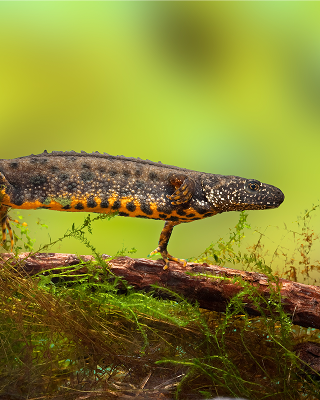
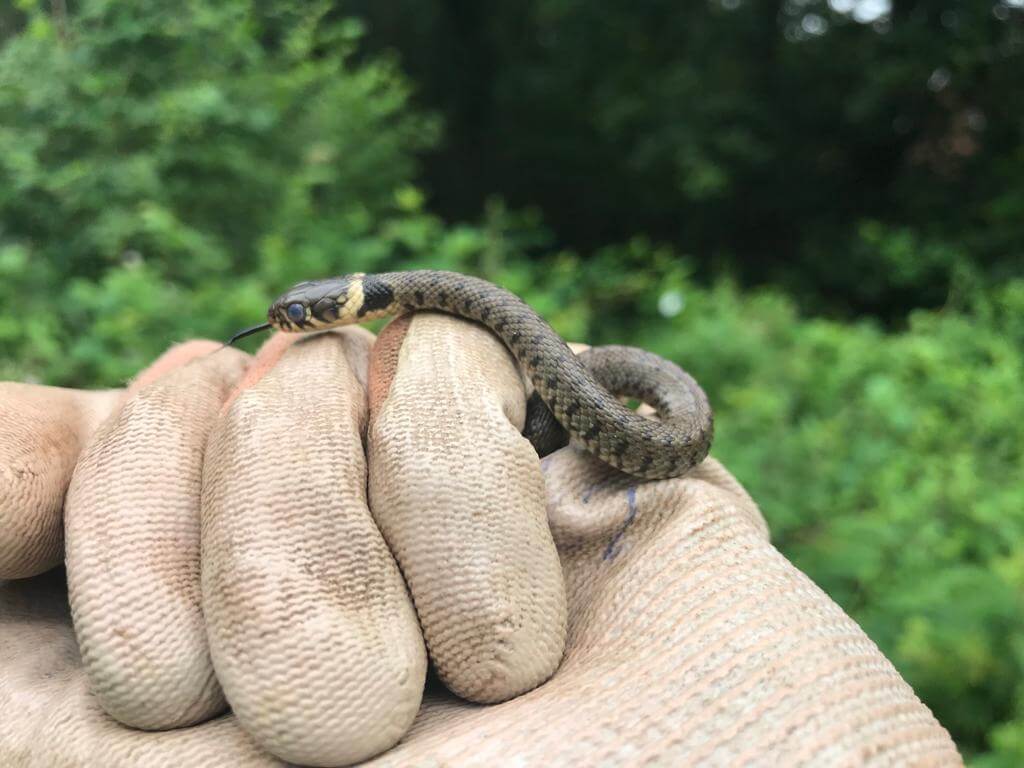
What is a reptile survey?
A reptile survey is an ecological assessment conducted to identify the presence or likely absence of reptiles on a proposed development site, and how development might affect them.
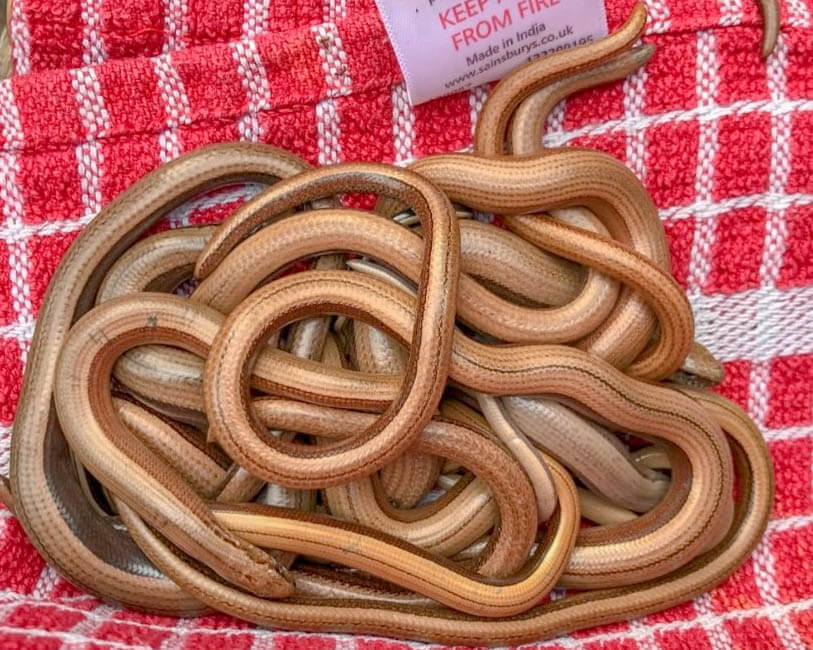
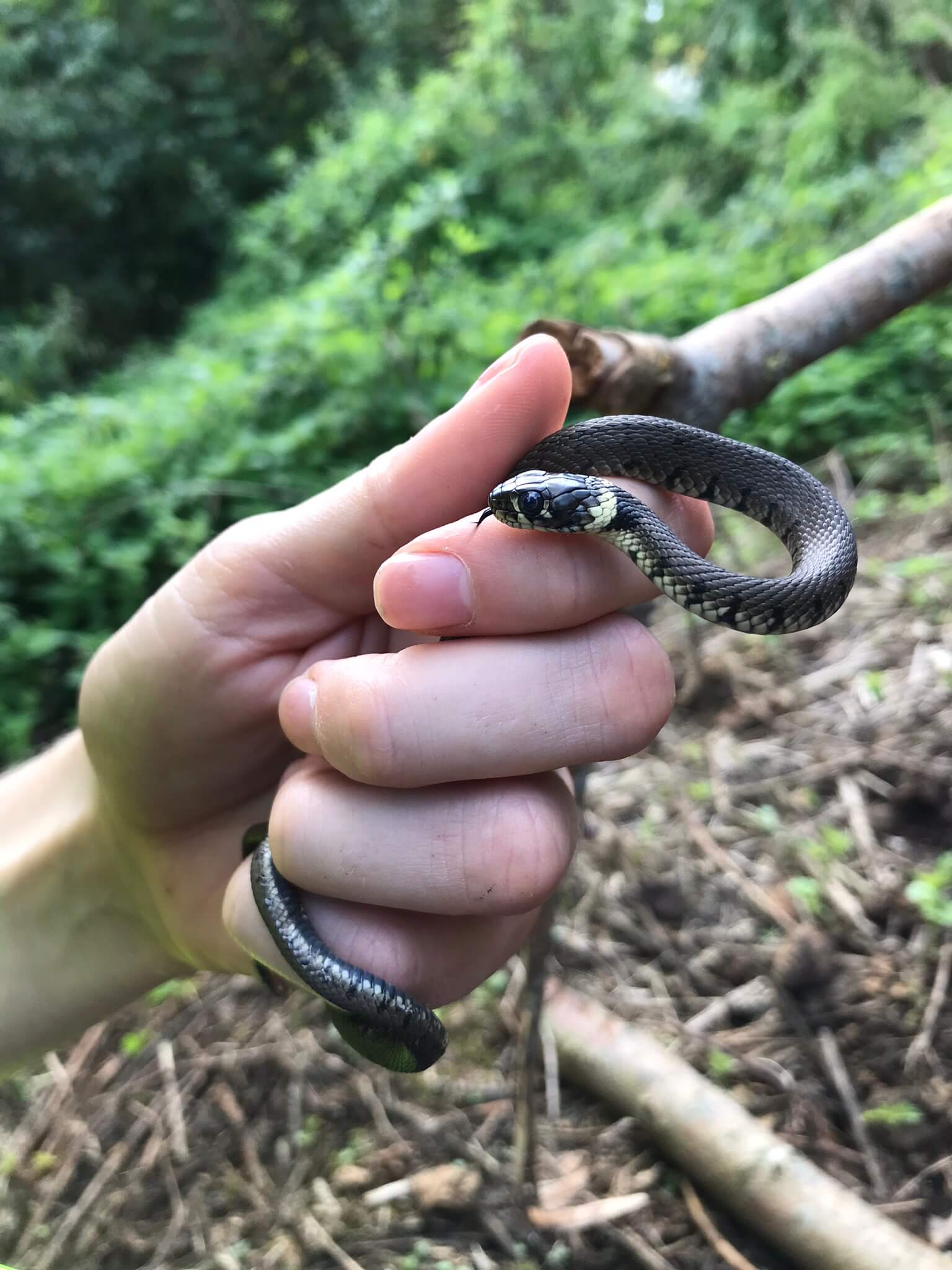
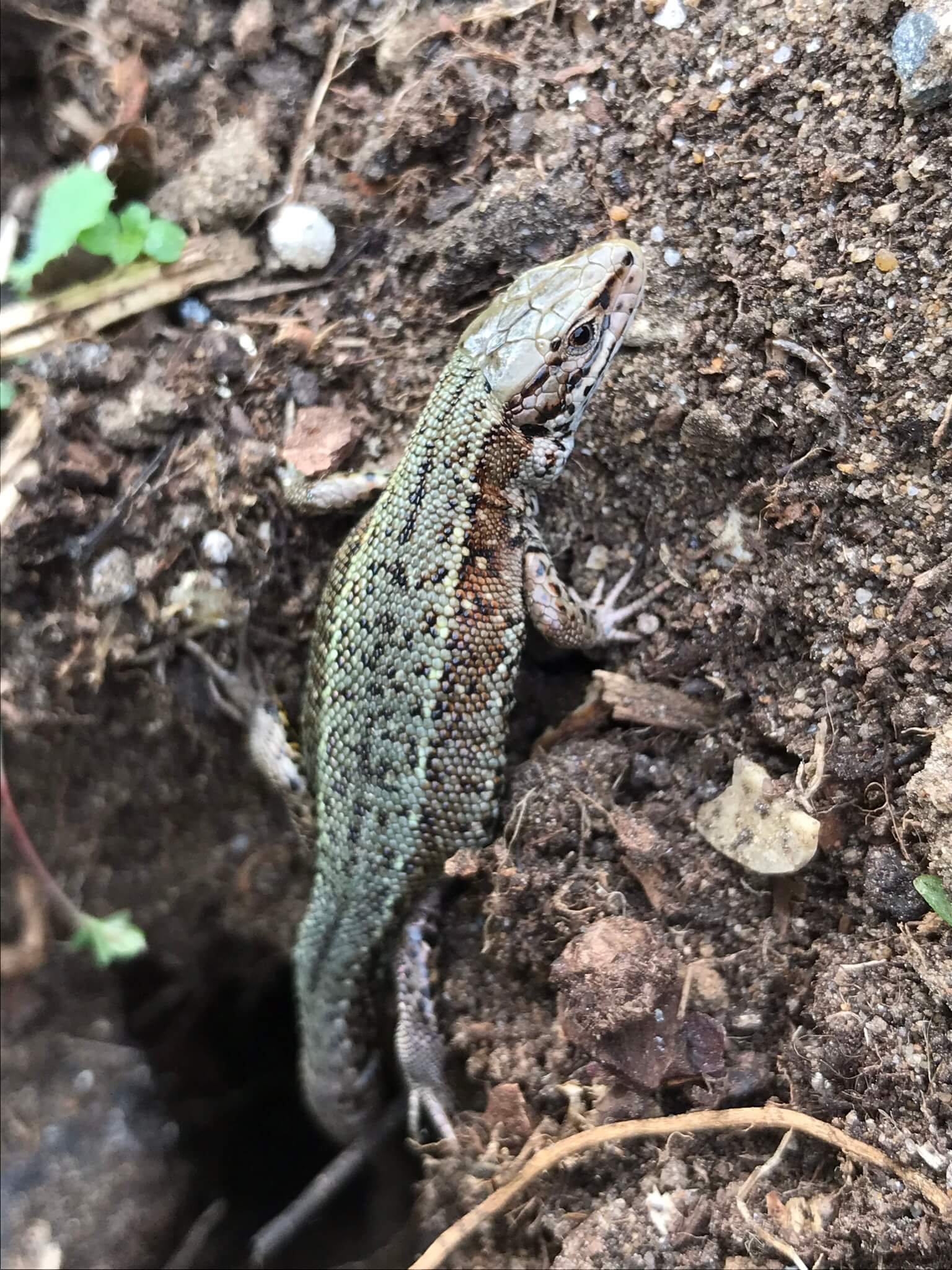
In the UK, reptile species, including slow worms, common lizards, grass snakes and adders, are all protected under the Wildlife and Countryside Act 1981.
Reptile surveys typically include Reptile Presence/Absence Surveys and, if required, Reptile Translocation services.
The results of these surveys support planning applications and inform mitigation measures, habitat retention and relocation strategies, ensuring any development proceeds responsibly and in line with planning requirements.
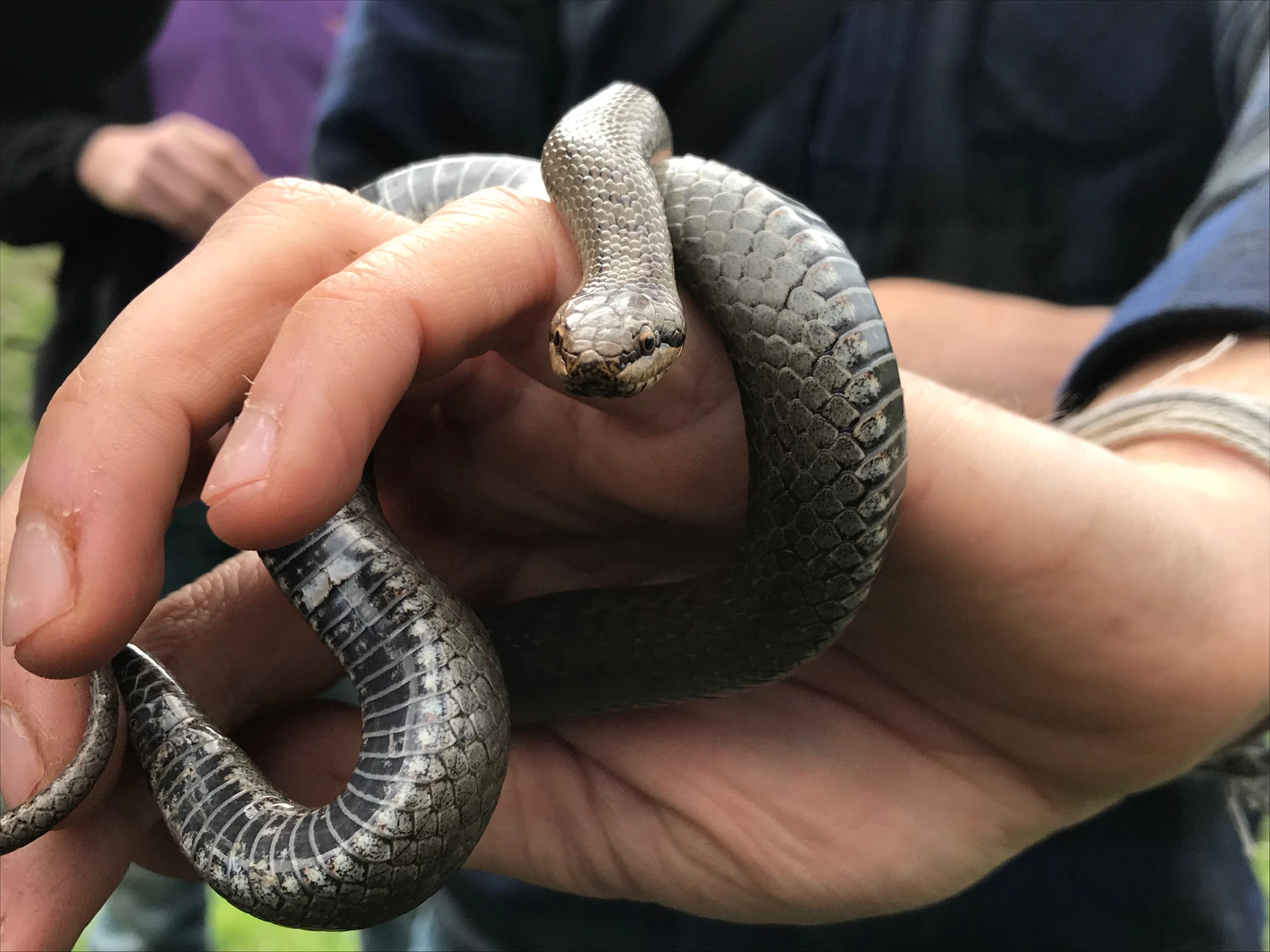
Reptile surveys we offer
We offer a range of reptile surveys, including:
- Reptile presence/absence surveys
- Reptile translocation
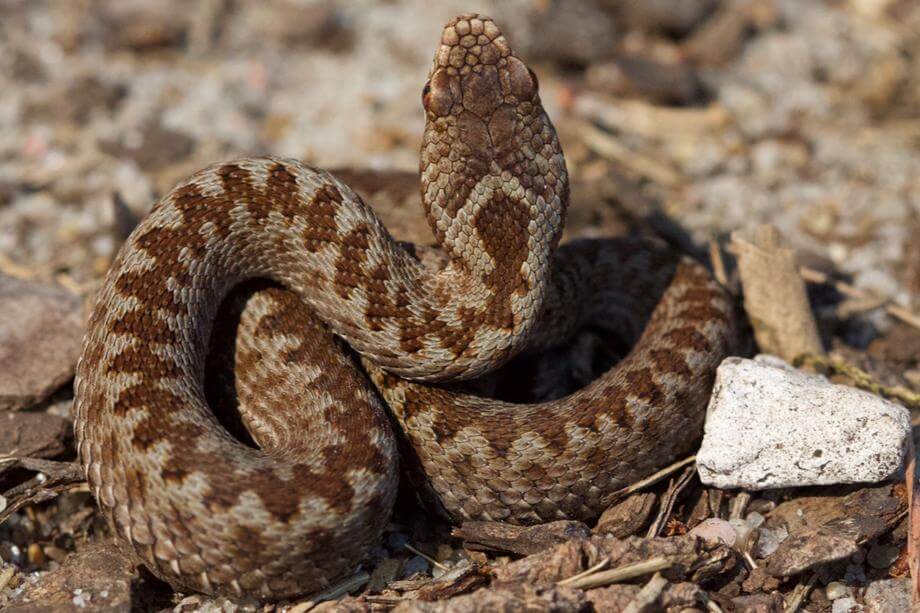
Reptile Presence/Absence Surveys
In a nutshell
- Seasonality: April, May & September
- Typical duration: 7 visits
- Survey type: Desk study, field survey
- Report lead time: 3-5 working days (from survey completion)
- Report validity: 12-18 months
About Reptile Presence/Absence Surveys
A Reptile Presence/Absence Survey is usually the first step in any reptile survey. It aims to determine if any protected reptile species could be present on-site and therefore impacted by proposed development works.
To carry out the main survey work, a team of ecologists will deploy upwards of 50 reptile refugia per site, positioned in areas where reptiles are likely to be present. These will be checked over the course of 7 visits. If reptiles are found to be present, Reptile Translocation may be required before development commences on the site.
Survey seasonality
Reptile Presence/Absence Surveys can only be conducted between 8:30 am and 11:00 am, or 4:00 pm and 6:30 pm, in April, May and September. The air temperature on each visit must be between 9-18°C.
Project outcomes
A Reptile Presence/Absence Survey will result in one of the following outcomes:

No reptiles found to be inhabiting on site, supporting the submission and consent of planning application.
Evidence of reptiles is found, requiring Reptile Translocation before development can go ahead.
Reptile Translocation
In a nutshell
- Seasonality: April to September
- Typical duration: 30 to 90 days in suitable weather conditions
- Survey type: Field survey
- Report lead time: 3-5 days (from survey completion)
About Reptile Translocation
Reptile Translocation is performed following confirmation that reptiles are present. An experienced ecologist will capture reptiles from a proposed development site, releasing them safely to a predetermined suitable receptor site.
To do this, a specially designed reptile fence will be erected around the site to prevent reptiles from entering. Reptile refugia will be deployed within the site and checked daily. Once no reptiles have been found for five consecutive days, a destructive search will be required to leave the site unsuitable for reptiles.
Survey seasonality
Reptile Translocation visits will be conducted daily between 8:30 am and 11 am, or 4:00 pm and 6:30 am in April through to September only. The air temperature on each visit must be between 9-18°C.
Full planning consent is required before Reptile Translocation can take place.
Project outcomes
A Reptile Translation project will typically result in the following outcomes:
A Reptile Translocation report, written in accordance with current standards and guidelines to support planning application.
The development site will be cleared of all vegetation to render it uninhabitable for reptiles, which should be followed by site clearance and construction as soon as possible.
When is a reptile survey required?
A reptile survey is required if your proposed development has the potential to affect reptiles or suitable reptile habitat. Some common cases include:
- A prior Preliminary Ecological Appraisal (PEA) has identified habitats or ecological features which point to the presence of reptiles.
- Your development will affect rough grassland, scrub, heathland or brownfield habitat or habitat mosaics suitable for reptiles.
- Works are proposed that would involve vegetation clearance, ground disturbance or changes to land use.
- The site is located within or close to areas with known reptile records.
- Habitat features such as log piles, rubble, compost heaps or railway ballast are present.
- A local planning authority requires ecological survey evidence to validate a planning application.
When can reptile surveys be performed?
Reptile surveys are restricted by the time of day, the year, and the air temperature.
Reptile Presence/Absence Surveys must be carried out in April, May or September, while the Reptile Translocation season is April through to September. Both can only be conducted between the times of 8:30 am to 11 am, or 4 pm to 6:30 pm.
The air temperature on each visit must be between 9-18°C.
Optimal Survey Season
Sub-Optimal Survey Season
Survey Not Possible
Reptiles
| Jan | Feb | Mar | Apr | May | Jun | Jul | Aug | Sep | Oct | Nov | Dec |
|---|---|---|---|---|---|---|---|---|---|---|---|
Our reptile survey process
Our experienced, friendly team of ecologists will be on hand throughout the reptile survey process, ensuring clarity and compliance throughout. Our methodology is as follows:

01
Contact us for a quote
Reach out to our team for your reptile survey quote. We’ll respond within 24 hours and gather all the necessary information for an efficient, successful reporting process.

02
Initial reptile survey & assessment
The first step will be to perform a thorough Reptile Presence/Absence Survey. This will be conducted over 7 site visits, and a report will be delivered.

03
Further reptile surveys
Should the project require, our team will be engaged for Reptile Translocation. This will take 5+ days to complete.

04
Site clearance & report delivery
Following successful Reptile Translocation, all vegetation will be cleared, and your final report will be delivered. Site clearance and construction should then begin ASAP.
01
Contact us for a quote
Reach out to our team for your reptile survey quote. We’ll respond within 24 hours and gather all the necessary information for an efficient, successful reporting process.
02
Initial reptile survey & assessment
The first step will be to perform a thorough Reptile Presence/Absence Survey. This will be conducted over 7 site visits, and a report will be delivered.
03
Further reptile surveys
Should the project require, our team will be engaged for Reptile Translocation. This will take 5+ days to complete.
04
Site clearance & report delivery
Following successful Reptile Translocation, all vegetation will be cleared, and your final report will be delivered. Site clearance and construction should then begin ASAP.
Project outcomes for reptile surveys
A reptile survey will provide the evidence needed to assess ecological risk to reptiles, supporting planning applications and setting appropriate mitigation measures in motion.
Example project outcomes include:
- Confirmation that reptiles are unlikely to be present, with no further survey or mitigation required ahead of development.
- If evidence of reptiles is found on site, the responsible ecologist will recommend Reptile Translocation and further reporting.
- All reptile surveys will culminate in an evaluation and the delivery of a report written to CIEEM guidelines, which can be submitted to inform a planning application.
Please note: Any additional work required after the initial survey would be scoped and quoted accordingly and discussed with you before proceeding.
Get a reptile survey quote
If your development might affect protected reptiles or their habitat, a reptile survey will support planning applications and mitigation requirements.
Get in touch with our experienced team to discuss your project, understand what is required and receive a quotation for considered, diligent ecological guidance and surveying.
Contact details
info@alyneecology.co.ukGet a reptile survey quote
If your development might affect protected reptiles or their habitat, a reptile survey will support planning applications and mitigation requirements.
Get in touch with our experienced team to discuss your project, understand what is required and receive a quotation for considered, diligent ecological guidance and surveying.