
Badger Surveys
Clear, compliant badger surveys to support responsible development.
Badger surveys provide thorough evidence to understand sett presence and territory activity. Get a survey quote from aLyne Ecology to meet your ecological and legal responsibilities properly and efficiently.




What is a badger survey?
Badger surveys are ecological assessments used to identify the presence of badgers, locate setts and understand how a proposed development might affect them.
Badgers and their setts are protected specifically under the Protection of Badgers Act 1992, as well as other UK wildlife legislation.
Surveying can be conducted through various methods, but will usually involve a detailed walkover of the development site and surrounding land to identify setts and signs of badgers.
These findings are then used to assess risk to the protected species, support planning submissions and, where necessary, provide guidance for a Badger Development Licence application.
Badger Development Licences
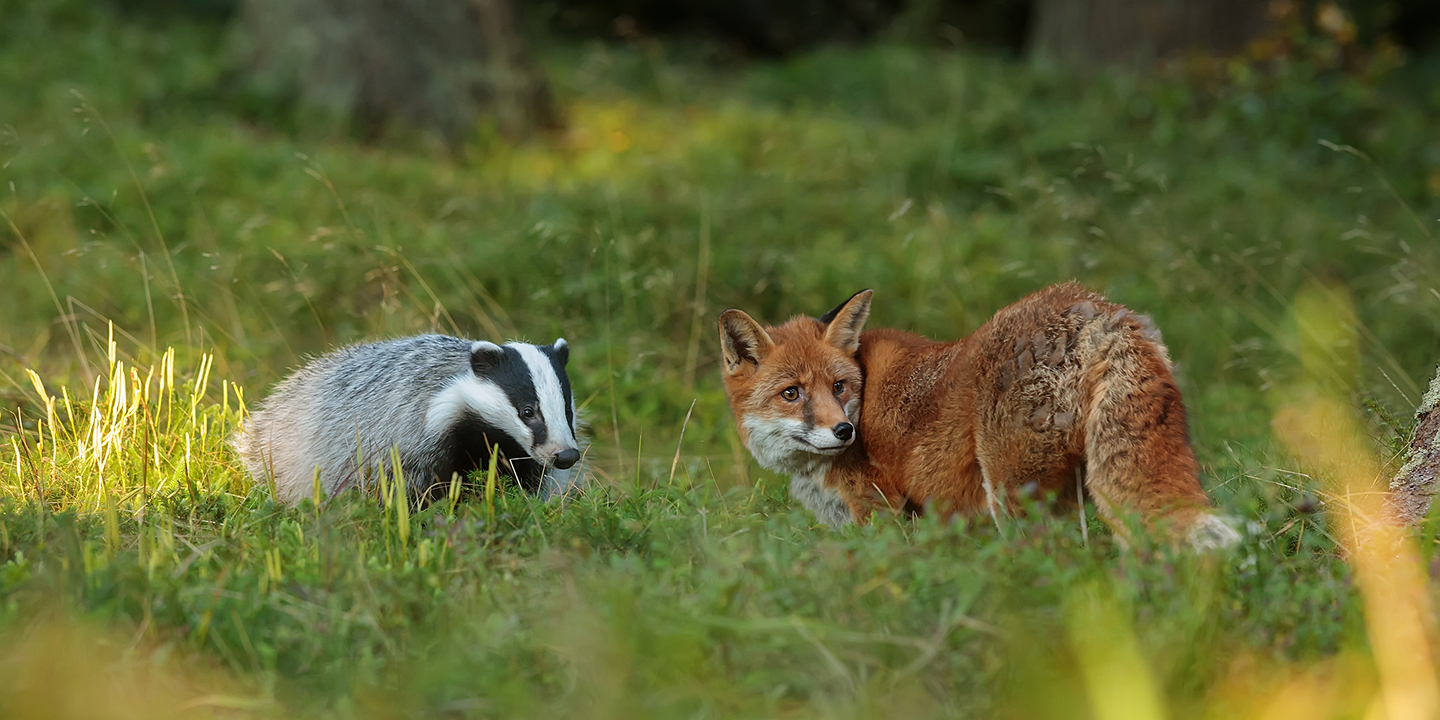
A Badger Development Licence is a licence provided by Natural England to disturb badgers and close a badger sett lawfully.
Full planning consent is required before a licence can be applied for, and applications must be informed by a Badger Monitoring report.
Natural England can take up to 30 working days to approve a Badger Development Licence application.
Badger surveys we offer
- Preliminary Badger Survey
- Badger Monitoring

Preliminary Badger Survey
In a nutshell
- Seasonality: Anytime (Optimal: February & March)
- Survey type: Desk study, field survey
- Report lead time: 2-3 working days (from survey completion)
- Report validity: 12-18 months
About Preliminary Badger Surveys
A Preliminary Badger Survey is typically the initial survey conducted to confirm the presence or absence of badgers using a site. This involves desk study as well as field surveys and walkovers to search for signs of badgers (Meles meles), including:
- Badger footprints
- Badger sett entrances
- Badger fur
- Badger runs
- Snuffle holes (foraging signs)
- Dung pits
Project outcomes
A Preliminary Badger Survey will typically result in one of the following outcomes:

No evidence of badgers on the site or in the surrounding area, supporting the submission and consent of planning permission.
Evidence of badgers is found, leading to a recommendation for Badger Monitoring to inform an impact assessment and possibly a Badger Development Licence.
Badger Monitoring
In a nutshell
- Seasonality: February to April
- Survey type: Field survey
- Report lead time: 2 weeks (from survey completion)
- Report validity: 12-18 months
About Badger Monitoring
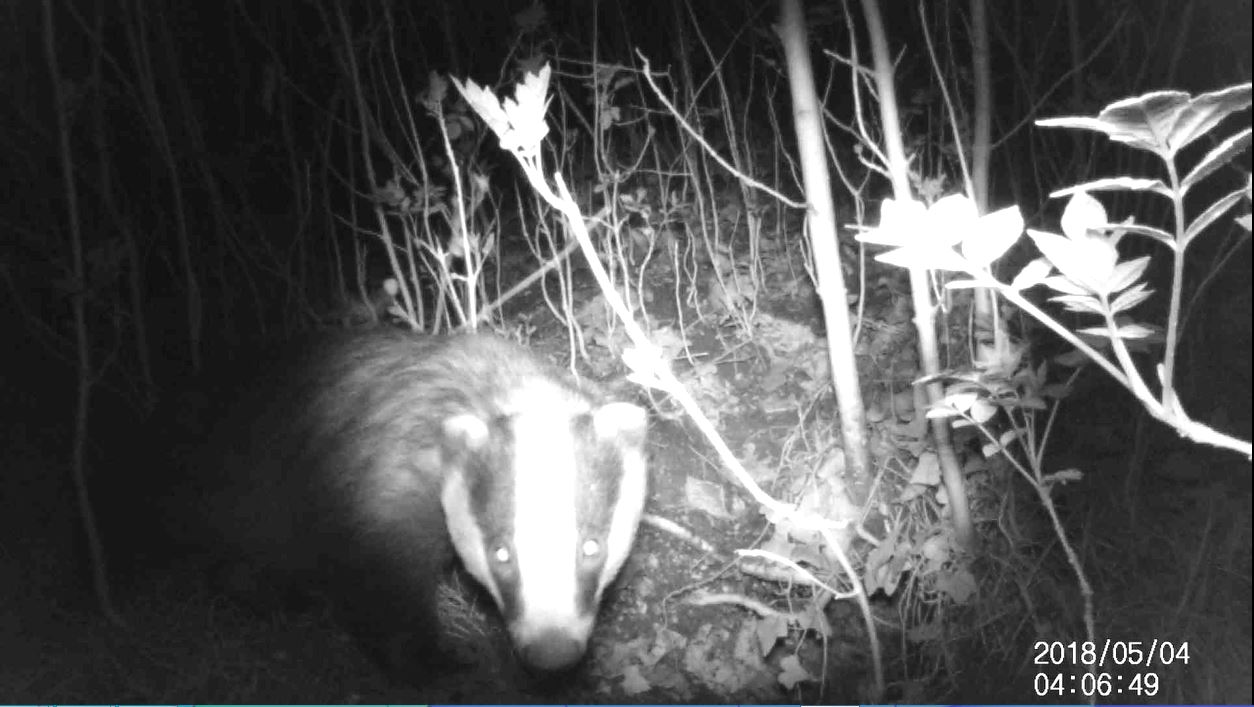
If the presence of badgers is confirmed by preliminary assessments, and a badger sett is likely to be impacted by development, a Badger Monitoring Assessment will be required. This will help to determine the level of badger activity on site, including the status and mapping of any setts present, as well as informing any Badger Development Licence applications.
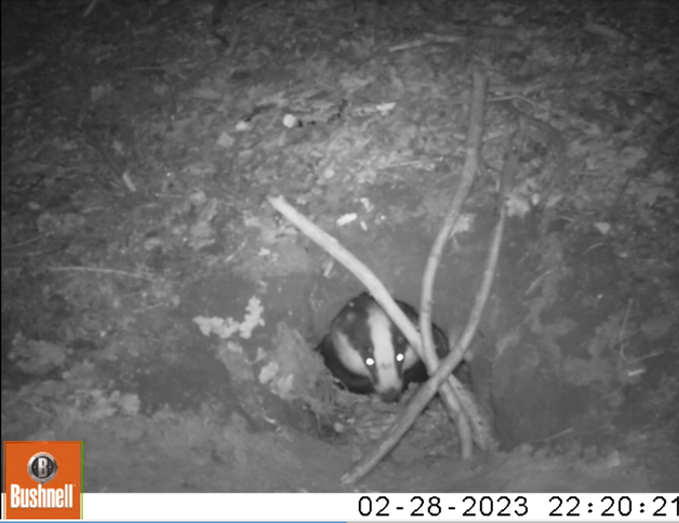
Badger monitoring involves various techniques, including the deployment of sand and sticks and wildlife night-vision cameras.
Project outcomes
Your Badger Monitoring Assessment with our team will result in the following project outcomes:
A clear report, written to the latest standards and guidelines, on badger activity and potential impact on badger setts.
This report can then be used as part of an application for a Badger Development Licence, if required.
When is a badger survey required?
A badger survey may be required if your proposed development has the potential to affect badgers or their setts.
Surveys help establish whether badgers are present and ensure legal and planning obligations can be met before works begin. Typical cases include:
- An ecologist identifies the need for a badger survey during the Preliminary Ecological Appraisal.
- Development is proposed on land that could support badger territories.
- Groundworks, excavation or vegetation clearance may affect badger foraging areas or sett entrances.
- Changes to land use could disrupt badger movement routes or territorial boundaries.
- A local planning authority requests badger survey evidence to support a planning application.
When can badger surveys be performed?
Badger surveys can be conducted any time of year, but the optimal season is during February, March and April, depending on the activity required.
Optimal Survey Season
Sub-Optimal Survey Season
Survey Not Possible
Preliminary Badger Surveys
Badger Monitoring
| Jan | Feb | Mar | Apr | May | Jun | Jul | Aug | Sep | Oct | Nov | Dec |
|---|---|---|---|---|---|---|---|---|---|---|---|
Our badger survey process
With over 20 years’ experience, we’re passionate about providing stringent, effective ecological advice. With care and professional judgement, you’ll receive the best, most responsible outcome for your planning application.

01
Contact us for a quote
Speak to our friendly team about your project and survey requirements. We’ll respond to all quote requests within 24 hours.

02
Initial badger survey & assessment
We’ll review any existing records, and undertake a detailed walkover survey to identify badger setts, field signs and patterns of activity.

03
Further badger surveys
Depending on the outcome of the preliminary assessment, your ecologist team will recommend next steps, including, if required, a Badger Monitoring Assessment.

04
Report delivery
We’ll present all our findings and recommendations in a clear, planning-ready report, written to the latest CIEEM guidelines.
01
Contact us for a quote
Speak to our friendly team about your project and survey requirements. We’ll respond to all quote requests within 24 hours.
02
Initial badger survey & assessment
We’ll review any existing records, and undertake a detailed walkover survey to identify badger setts, field signs and patterns of activity.
03
Further badger surveys
Depending on the outcome of the preliminary assessment, your ecologist team will recommend next steps, including, if required, a Badger Monitoring Assessment.
04
Report delivery
We’ll present all our findings and recommendations in a clear, planning-ready report, written to the latest CIEEM guidelines.
Project outcomes for badger surveys
A badger survey will provide the necessary evidence to support planning applications and ultimately guide responsible development. Project outcomes may include:
- Confirmation that badgers or setts are not present, with no further survey or mitigation required.
- Identification of badger activity and setts in the Preliminary Badger Survey, leading to further reporting and badger monitoring.
- Identification of licensing or permission requirements, where works could affect a sett.
- Clear, planning-ready reporting, suitable for submission to local planning authorities, and suggested next steps on requirements and programme implications.
Please note: Any further species surveys or mitigation planning required will be specified and quoted for separately.
Get a badger survey quote
Proactive and compliant badger survey work will help inform planning applications and reduce the risk of delays or negative impacts on protected badger populations during development.
Get in touch with our helpful team today to discuss your site, understand what’s required and receive clear ecological guidance from the outset.
Contact details
info@alyneecology.co.ukGet a badger survey quote
Proactive and compliant badger survey work will help inform planning applications and reduce the risk of delays or negative impacts on protected badger populations during development.
Get in touch with our helpful team today to discuss your site, understand what’s required and receive clear ecological guidance from the outset.