
Bat Surveys
Clear, compliant bat surveys for smooth project planning.
Bat surveys assess roosting potential and activity, supporting planning applications and compliant development decisions. Get honest, thorough, planning-ready bat surveys from the expert team at aLyne Ecology.
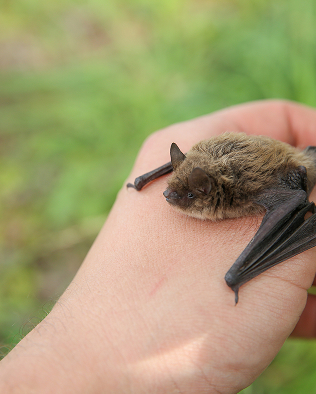
What is a bat survey?
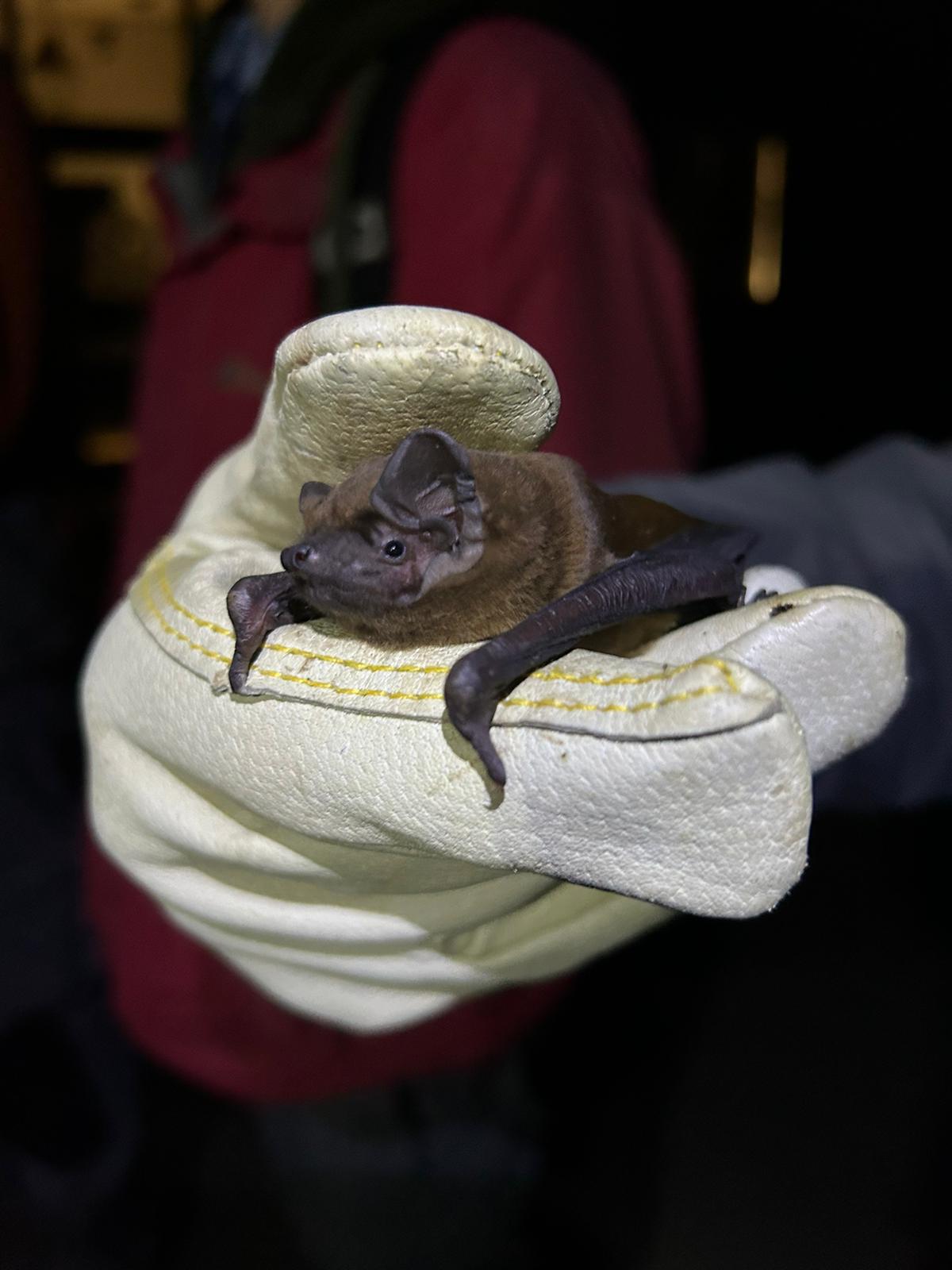
A bat survey is an ecological assessment used to identify whether bats are present on a site and whether a proposed development could affect them or their roosts.
All bats and their roosts are legally protected in the UK under the Conservation of Habitats and Species Regulations 2017 (as amended).
Bat surveys provide the evidence needed to assess ecological risk, meet planning requirements and inform mitigation recommendations if required. Surveys include a variety of different methods to determine the necessary steps to take.
Where impact cannot be avoided, survey findings may be used to support an application for a Bat European Protected Species Licence (EPSL).
Bat EPSLs
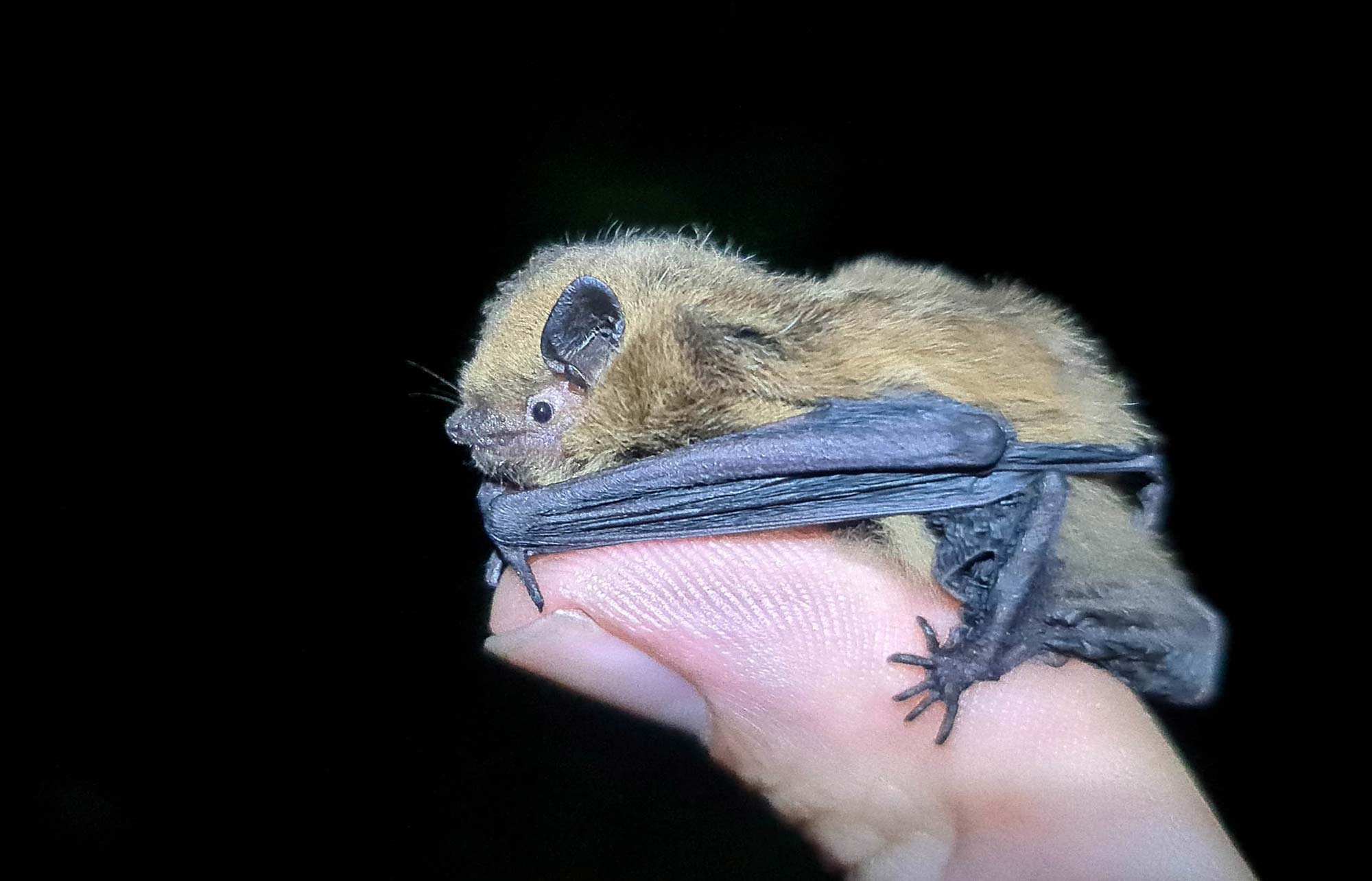
A European Protected Species Licence (EPSL), applied for via Natural England, allows otherwise unlawful activities to go ahead on a site where roosting or hibernating bats are present and will be affected by the works.
To attain a licence, you will need to submit any relevant, up-to-date survey data obtained through a Preliminary Roost Assessment, Ground Level Tree Assessment, Dusk Emergence Surveys or Hibernation Surveys. Full planning consent is required for an EPSL application.
Natural England can take up to 30 working days to approve EPSL submissions.
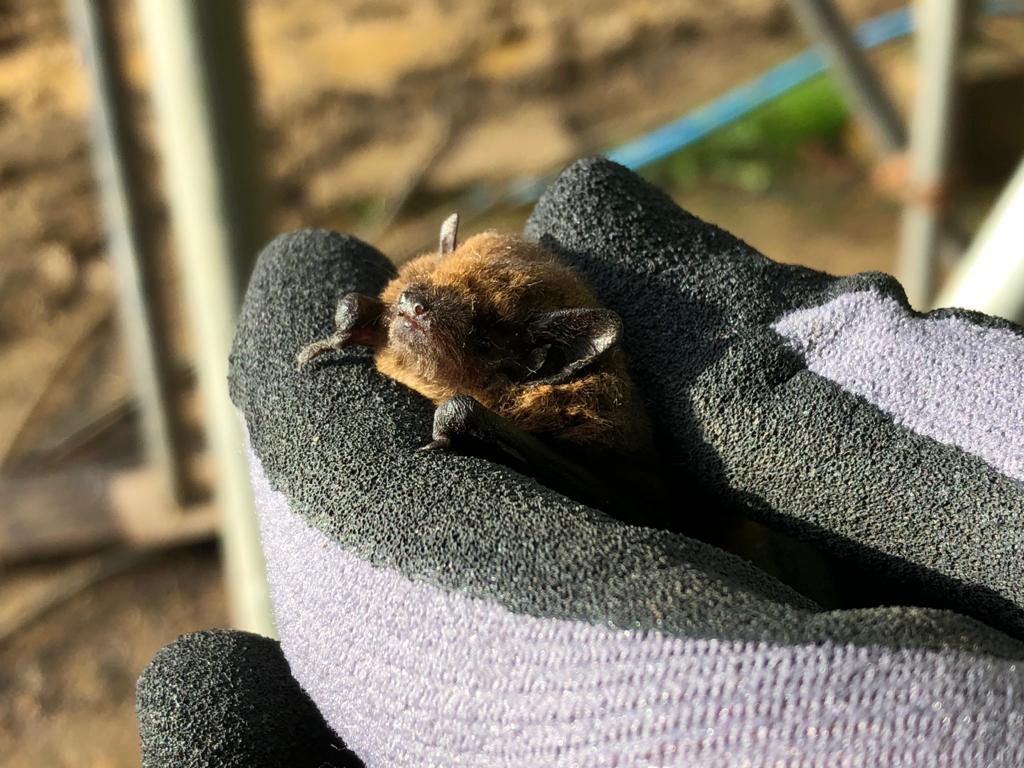
Preliminary Roost Assessments (PRA)
In a nutshell
- Seasonality: Anytime
- Survey type: Desk study, field survey
- Report lead time: 1 working day (from survey completion)
- Report validity: 12-18 months
About Preliminary Roost Assessments
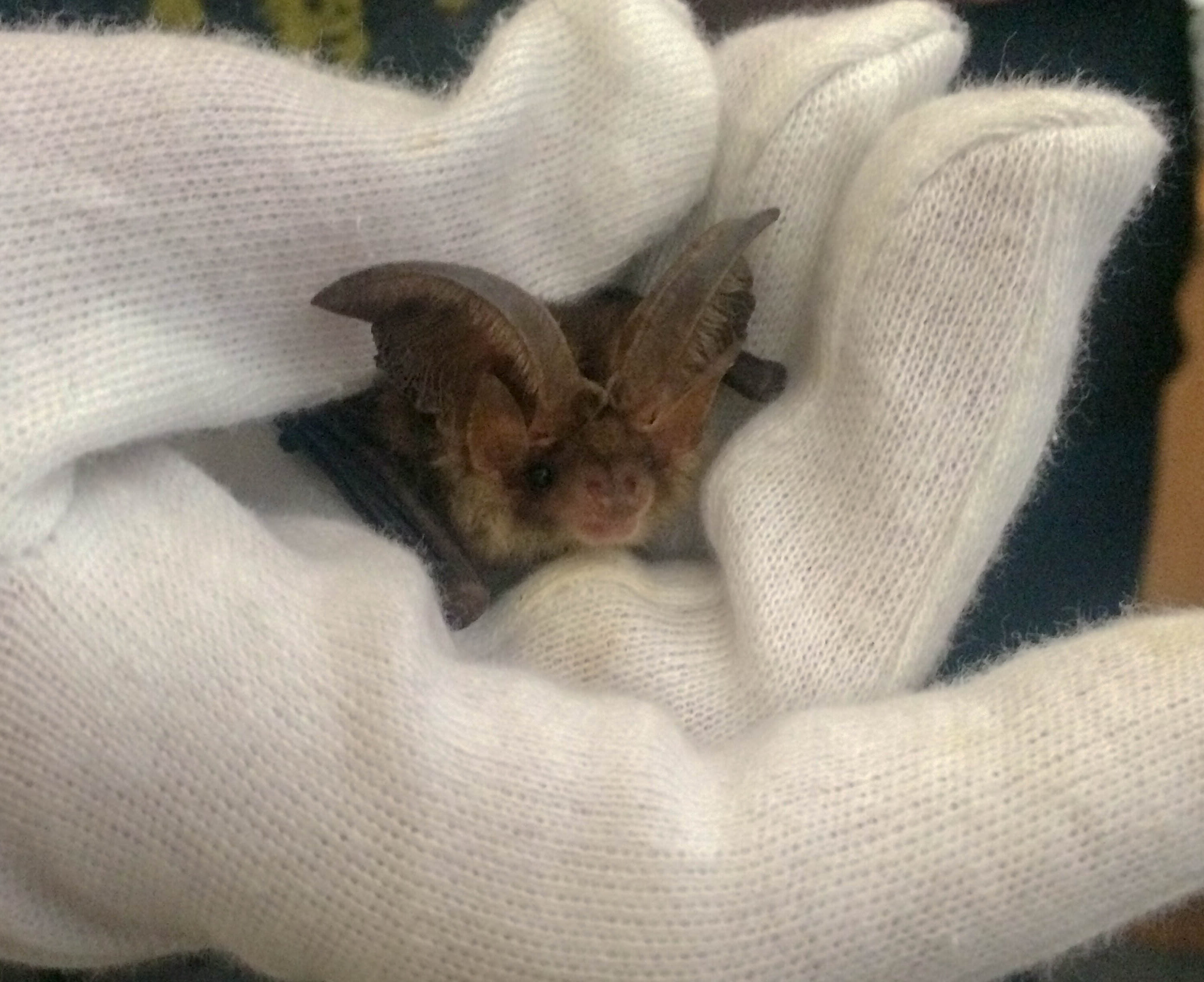
A Preliminary Roost Assessment (PRA) is usually one of the first steps in the bat survey process. It will be conducted by an ecologist who holds at least a Class 1 bat survey licence, and aims to determine if a building is currently being used, or could potentially be used, by roosting bats.
A PRA (and any subsequent surveys) are necessary to inform planning applications and for Natural England licences, so that any proposed development works can continue lawfully without a detrimental impact on roosting bats. The survey will be conducted by assessing external elevations and the building’s internal roof voids.
Project outcomes:
Depending on your project and requirements, a PRA may result in the following:

If there is no evidence or the potential to support bats (Negligible Suitability), the report will be valid for applications to your local planning authority.
If bat droppings are found during the survey, a sample will be taken for DNA analysis to determine the bat species.
If there are signs of bats, or if the building is deemed suitable to support roosting bats, further Dusk Emergence Surveys will be recommended, along with the number of surveys required.
PRAs are often conducted alongside a Preliminary Ecological Appraisal, providing a comprehensive overview of your development’s ecological impact.
Ground Level Tree Assessments (GLTA)
In a nutshell
- Seasonality: Anytime (Optimal: winter)
- Survey type: Desk study, field survey
- Report lead time: 1 working day (from survey completion)
- Report validity: 12-18 months
About Ground Level Tree Assessments
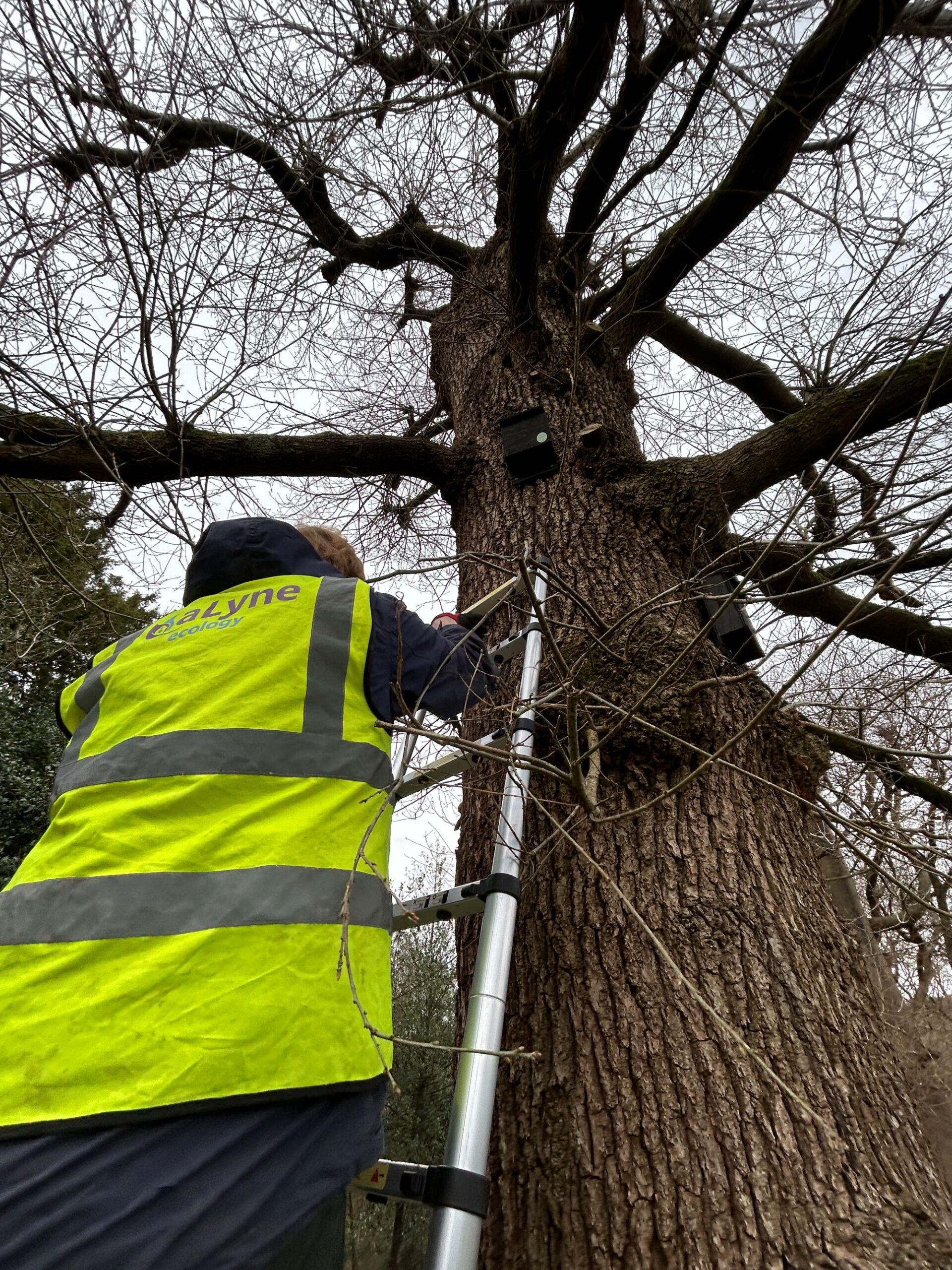
Like Preliminary Roost Assessments, a Ground Tree Level Assessment (GLTA) is often one of the first steps in the bat survey process. It will be performed by an ecologist who holds at minimum a Class 1 bat survey licence and aims to determine if a tree is currently being used, or could potentially be used, by roosting bats.
A GLTA (and any subsequent surveys) are required to inform planning permission and, if required, Natural England bat licences, so that proposed development works can proceed lawfully without having an adverse impact on roosting bats. The GLTA will involve inspecting the tree and the Potential Roosting Features (PRFs) for bats from the ground.
Project outcomes
In most cases, the results of a GLTA will be one or more of the following:
In circumstances where no evidence or potential to support roosting bats is found (Negligible Suitability), your bat survey report can be submitted as part of the planning process.
If bat droppings are discovered during the GLTA, a sample will be taken for DNA analysis to determine the bat species.
If signs of bats are found, or if the tree is assessed as suitable to support roosting bats, a further Dusk Emergence Survey or tree climbing inspections will be recommended by the ecologist, as well as the number of surveys required.
GLTAs are often performed in conjunction with a Preliminary Ecological Appraisal, providing a thorough overview of the project’s ecological impact.
Dusk Emergence Surveys
In a nutshell
- Seasonality: May to September
- Survey type: Field survey
- Report lead time: 2–3 working days (from survey completion)
- Report validity: 12-18 months
About Dusk Emergence Surveys
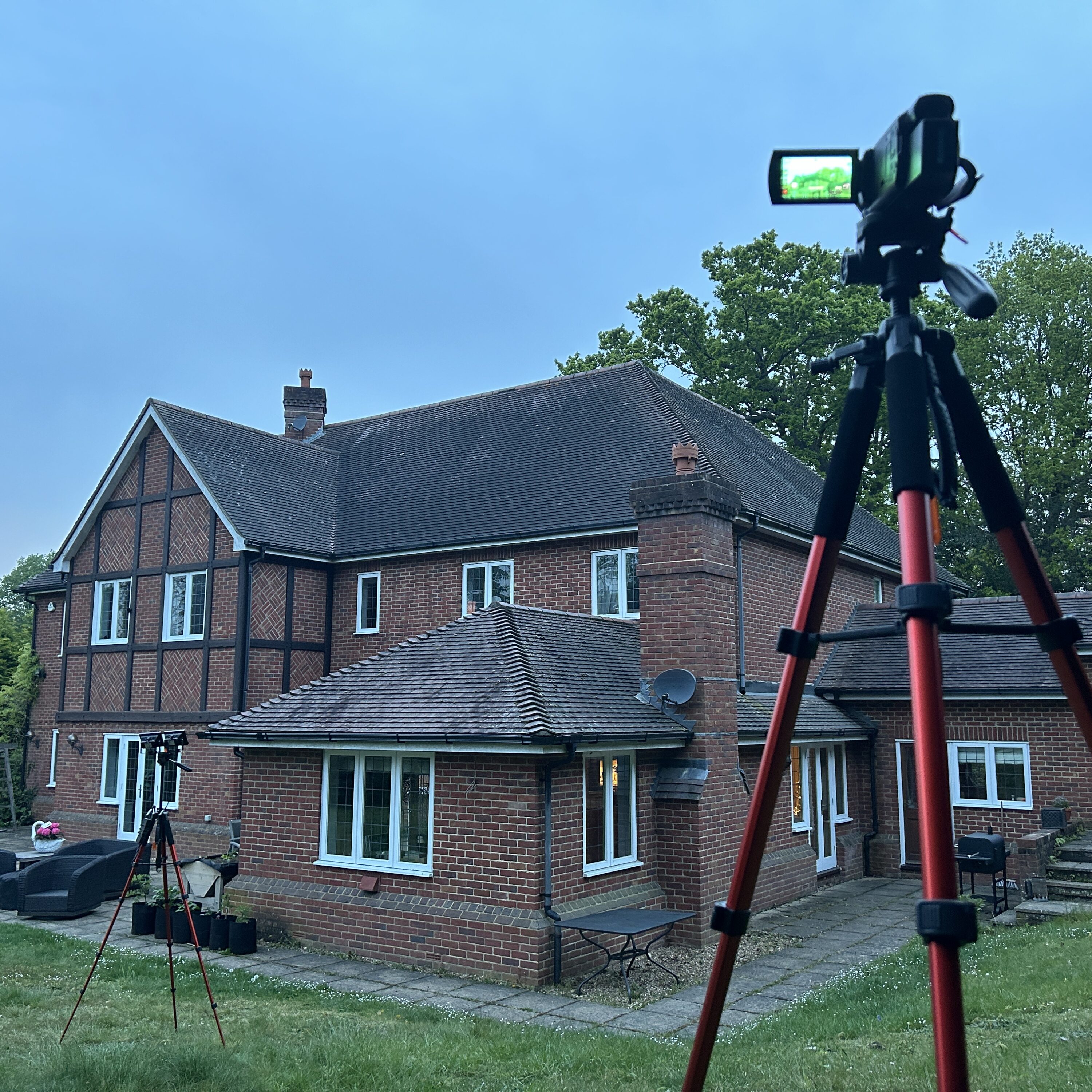
Dusk Emergence Surveys are conducted by suitably experienced ecologists to determine if and how a structure is currently being used by roosting bats. A team of ecologists will be positioned around the structure to record where bats are emerging and re-entering.
The need for a Dusk Emergence Survey is determined during a PRA or GLTA, and will be required to inform a planning application or a licence from Natural England.
How many surveys are required?
The number of Dusk Emergence Surveys required will be established during the PRA, according to the following scale:
- Negligible Suitability: No surveys required
- Low Suitability: 1 dusk emergence survey
- Moderate Suitability: 2 dusk emergence surveys
- High Suitability: 3 dusk emergence surveys
- Confirmed Bat Roost: 3 dusk emergence surveys
When will the surveys be carried out?
Dusk Emergence Surveys begin 15 minutes before sunset and finish 1 hour and 30 minutes after sunset.
Bat Activity Surveys
In a nutshell
- Seasonality: April to October
- Survey type: Field survey
- Report lead time: 3–5 working days (from survey completion)
- Report validity: 12-18 months
About Bat Activity Surveys
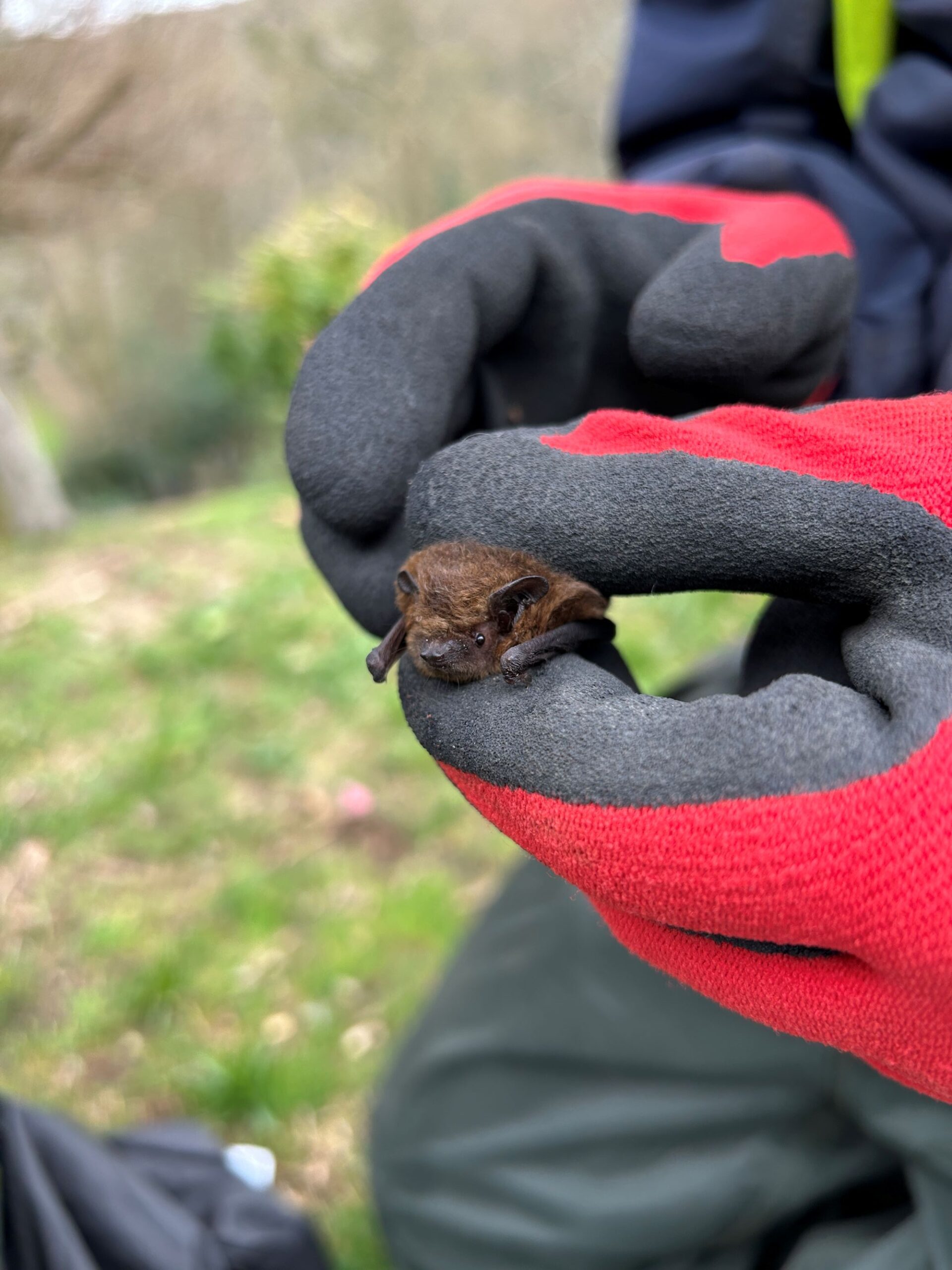
Bat Activity Surveys are performed by suitably qualified ecologists to determine how a site is currently being used by foraging and commuting bats. A team of ecologists will conduct the survey over multiple visits, walking a transect route and recording all the bat activity on site. The route will be positioned to encompass areas where bats are likely to forage and commute, with stopping points in areas where bat activity is likely to be high.
These surveys are required to inform a planning application, if the project is likely to result in a significant adverse impact on foraging or commuting bats.
How many surveys are required?
The number of Bat Activity surveys required will depend on the site’s level of potential for foraging and commuting bats, identified during a Preliminary Ecological Appraisal.
Hibernation Surveys
In a nutshell
- Seasonality: December to February
- Survey type: Field survey
- Report lead time: 2 weeks (from survey completion)
- Report validity: 12-18 months
About Hibernation Surveys
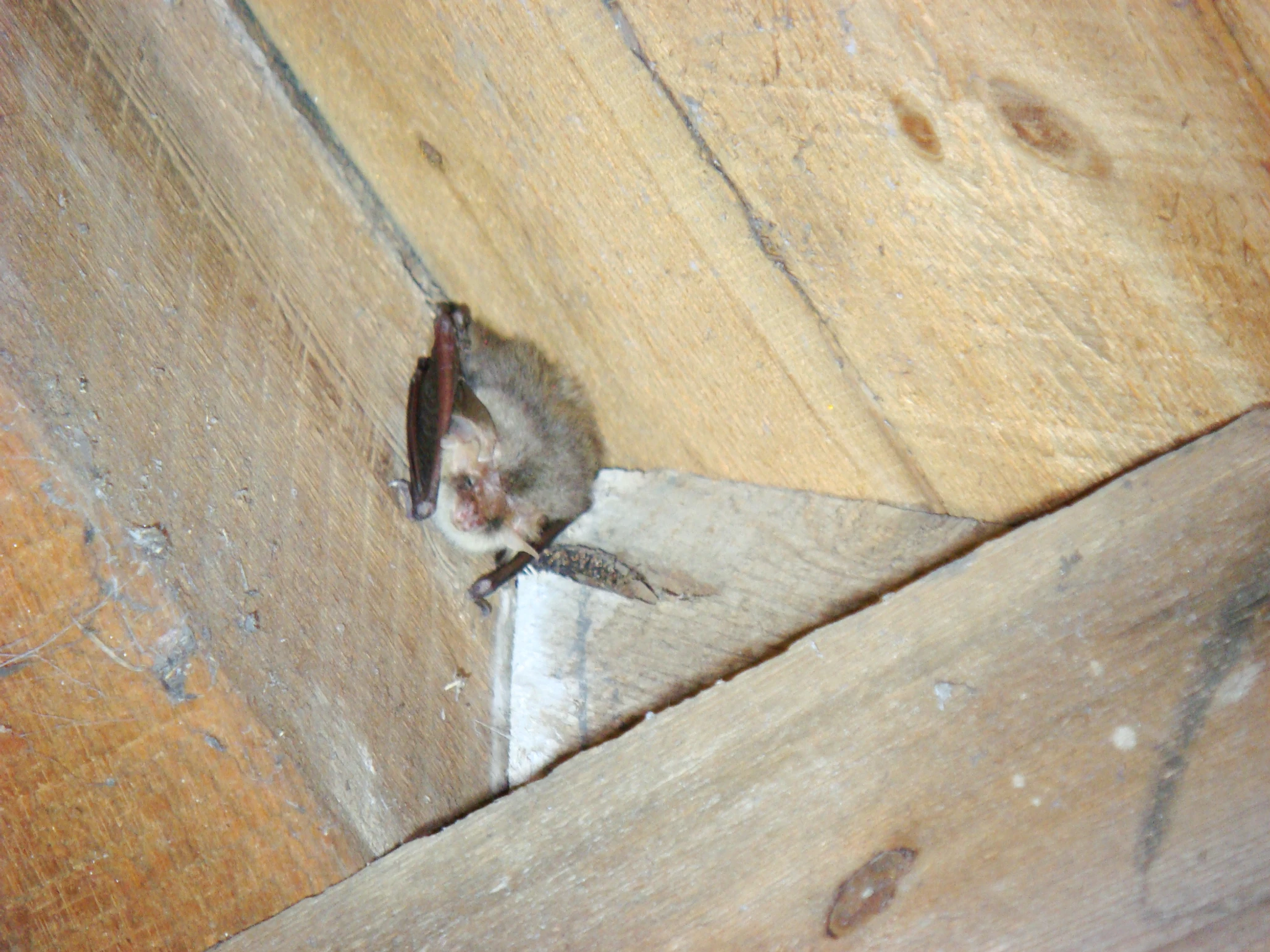
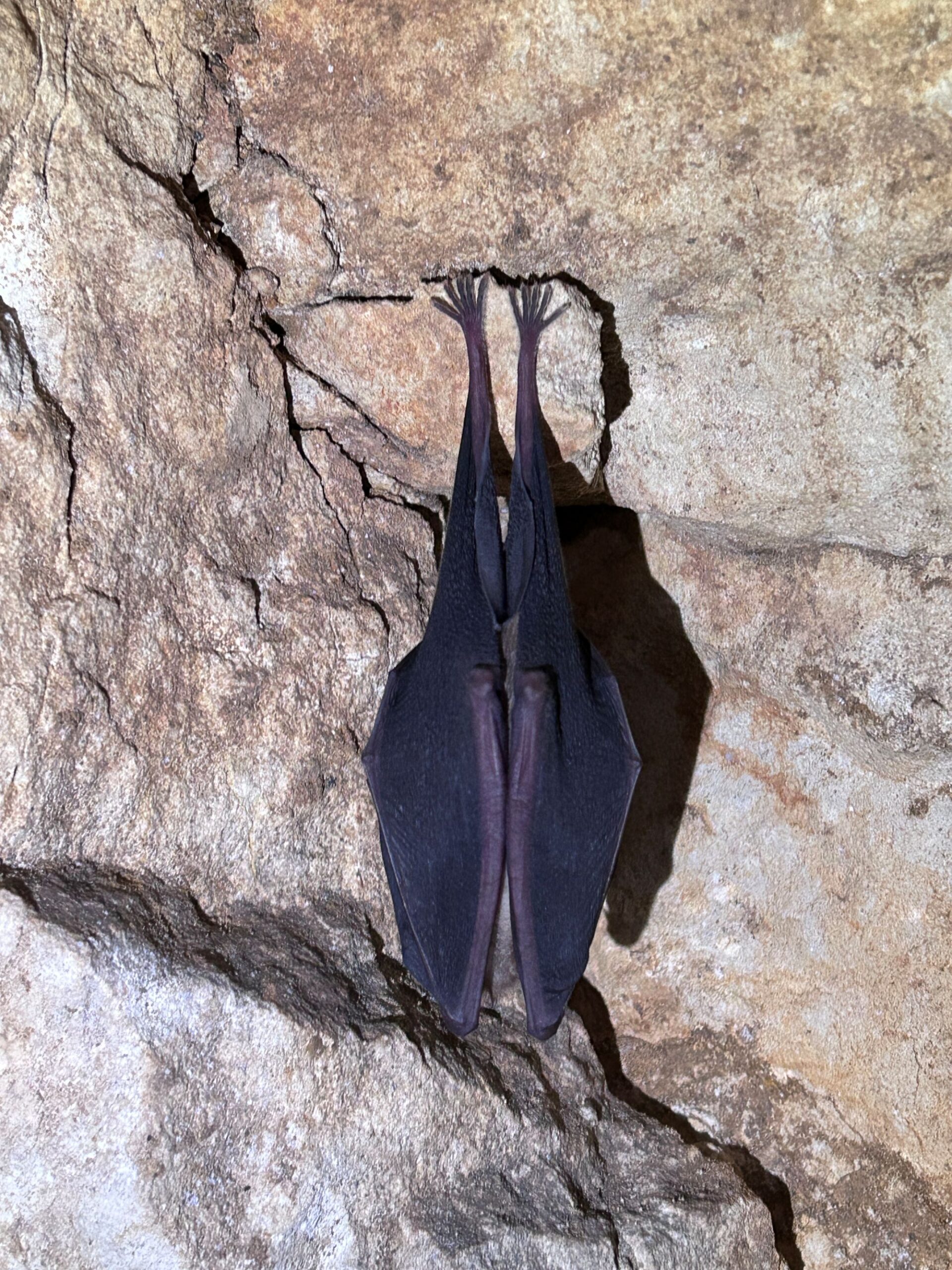
Hibernation Surveys determine if a structure is currently being used by hibernating bats, and are conducted by an ecologist who holds at least a Class 2 bat survey licence. They may be recommended following a PRA.
The survey will be conducted in two parts:
- Static bat detectors are deployed in areas suitable for hibernating bats.
- A qualified ecologist inspects all crevices and cracks for hibernating bats or evidence of hibernating bats.
When is a bat survey required?
Bat surveys are one of the most common ecological surveys. They are required to safeguard bats as a protected species, establishing risk levels and providing the evidence needed to support informed planning applications. A bat survey may be required:
- Where suitable habitats or structures indicate potential bat presence, and proposed development might affect bats or their roosts.
- In cases where buildings, structures or bridges are proposed for demolition, conversion or renovation.
- Where trees are proposed for felling, pruning or works and have features suitable for roosting bats (e.g. cavities, cracks or lifted bark).
- Works are proposed that could affect known or potential hibernation sites, such as tunnels, cellars, mines or underground structures.
- Development may affect woodland, hedgerows, tree lines or other linear features used by commuting or foraging bats.
When can bat surveys be performed?
The bat survey season depends on the survey being carried out. Please see our survey window guide below:
Optimal Survey Season
Sub-Optimal Survey Season
Survey Not Possible
Bats: Preliminary Roost Assessment
Bats: Ground Level Tree Assessment
Bats: Summer Roost Surveys/Activity Surveys
Bats: Winter Hibernation Surveys
| Jan | Feb | Mar | Apr | May | Jun | Jul | Aug | Sep | Oct | Nov | Dec |
|---|---|---|---|---|---|---|---|---|---|---|---|
Our bat survey process
Each stage of our bat survey process is conducted with care and precision, by a team of experienced bat surveyors who recognise the pressures you face. We’ll champion the natural world while helping your project stay compliant and on track.

01
Contact us for a quote
Start the process by getting in touch with our helpful team. We’ll respond to all quote requests within 24 hours, clearly explaining the cost and methodology of your bat survey.

02
Preliminary bat survey & assessment
A Preliminary Roost Assessment (PRA) or Ground Level Tree Assessment (GLTA) will be undertaken to assess any likely impacts on roosting bats.

03
Further bat surveys
If deemed necessary by the ecologist, further surveys and assessments will be carried out to confirm the presence of bats or the potential to support roosting bats.

04
Report delivery
Survey findings are evaluated to inform planning applications and evaluate whether bat licensing or further measures are required. All reports are written to the latest standards and guidelines.
01
Contact us for a quote
Start the process by getting in touch with our helpful team. We’ll respond to all quote requests within 24 hours, clearly explaining the cost and methodology of your bat survey.
02
Preliminary bat survey & assessment
A Preliminary Roost Assessment (PRA) or Ground Level Tree Assessment (GLTA) will be undertaken to assess any likely impacts on roosting bats.
03
Further bat surveys
If deemed necessary by the ecologist, further surveys and assessments will be carried out to confirm the presence of bats or the potential to support roosting bats.
04
Report delivery
Survey findings are evaluated to inform planning applications and evaluate whether bat licensing or further measures are required. All reports are written to the latest standards and guidelines.
Project outcomes for bat surveys
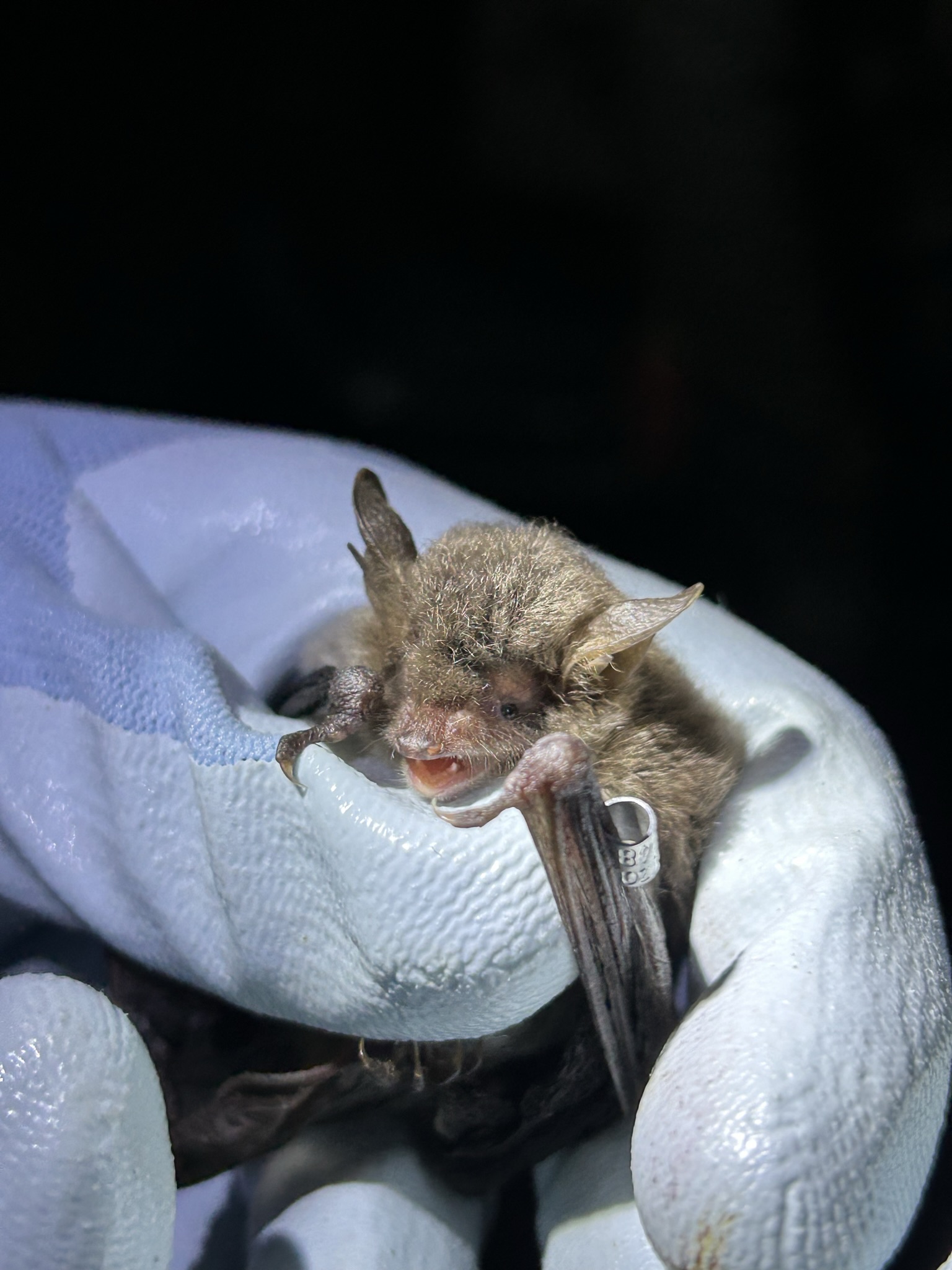
A bat survey with aLyne Ecology will provide the necessary evidence to support your planning application process. Possible project outcomes include:
- Confirmation that bats are unlikely to be present, with no further survey or mitigation measures required.
- Identification of low bat roosting or activity potential, allowing work to proceed with precautionary measures.
- Evidence of bat roosts or regular activity, informing the need for appropriate mitigation and design changes.
- Requirement for further surveys, such as Dusk Emergence, Bat Activity or Hibernation surveys, to fully understand impacts.
- Identification of licensing requirements, including the need for a European Protected Species Licence (EPSL).
- Clear reporting for any planning applications or licensing needs.
Please note: Any further species surveys or mitigation planning required will be specified and quoted for separately.
Why choose aLyne Ecology for your bat survey?
We have over 20 years’ experience delivering thorough bat surveys for a range of projects. With clarity and efficiency, our expert ecologists will provide all the information needed to support and streamline your planning application.
Efficient service
Our responsive, well-organised team can mobilise quickly, delivering bat reports in as little as 1 working day after survey completion.
Licensed expertise
Our ecologists hold appropriate bat survey licences and experience to ensure all surveys are carried out in line with best practices.
Fully compliant reports
All of our reports are written and delivered in accordance with the latest standards, including CIEEM, Bat Conservation Trust and BS 42020.
Friendly team of experts
Our ecologists offer technical expertise combined with a friendly approach and a commitment to responsible ecological outcomes.
Get a bat survey quote
If bats may be affected on your site, clear and detailed survey evidence is the next step for a responsible, approved development.
Get in touch with our team to discuss your site, understand what bat surveys may be required and receive compliant ecological advice that supports lawful development as well as responsible outcomes for nature.
Contact details
info@alyneecology.co.ukGet a bat survey quote
If bats may be affected on your site, clear and detailed survey evidence is the next step for a responsible, approved development.
Get in touch with our team to discuss your site, understand what bat surveys may be required and receive compliant ecological advice that supports lawful development as well as responsible outcomes for nature.